The Welsh Pony
In our horse and pony series, we now move to the British Isles, where we will start this section with the Welsh Pony. In this article, we look at the different types of Welsh Ponies and go over some fun facts about this special breed.
History
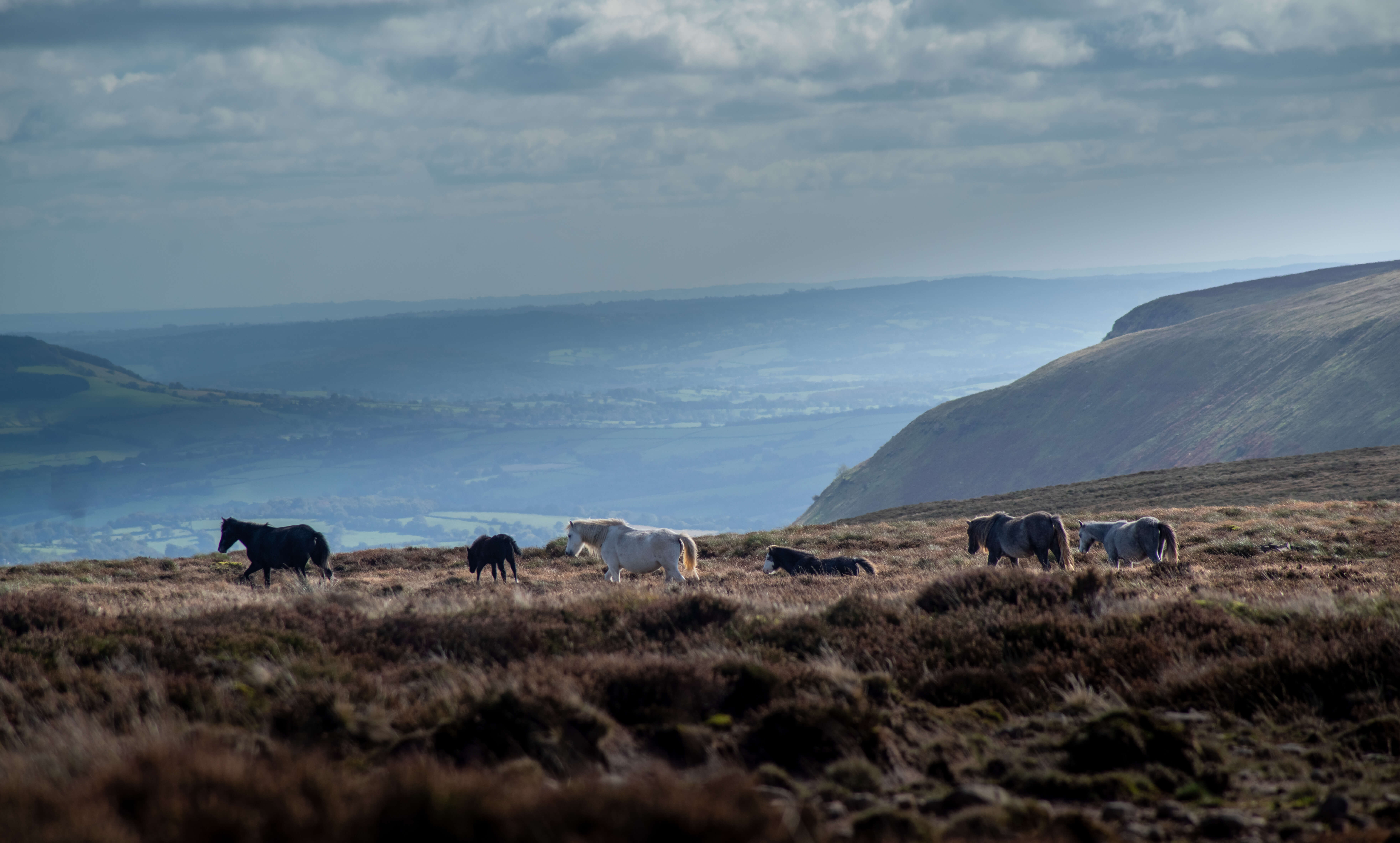
The Welsh Mountain pony is believed to have descended from the Celtic pony and has thought to have existed in Wales for over a thousand years.
Did you know?
King Henry the VIII (1509-1547) ordered that all horses that couldn’t be used in War need to be eliminated due to the perception that they were useless. Thus, he instructed all stallions under 15 hands high and mares under 13 hands high to be culled. Luckily some escaped into the wild, and this tough existence allowed the intelligent and hardy ones to survive and keep the breed going.
Did you know?
Many multiple rosette winning show ponies and beloved family members are passed on from one generation to the next.
The breed
The Welsh breed is divided into four segments:
Section A: The Welsh Mountain Pony (up to 12 hands high).
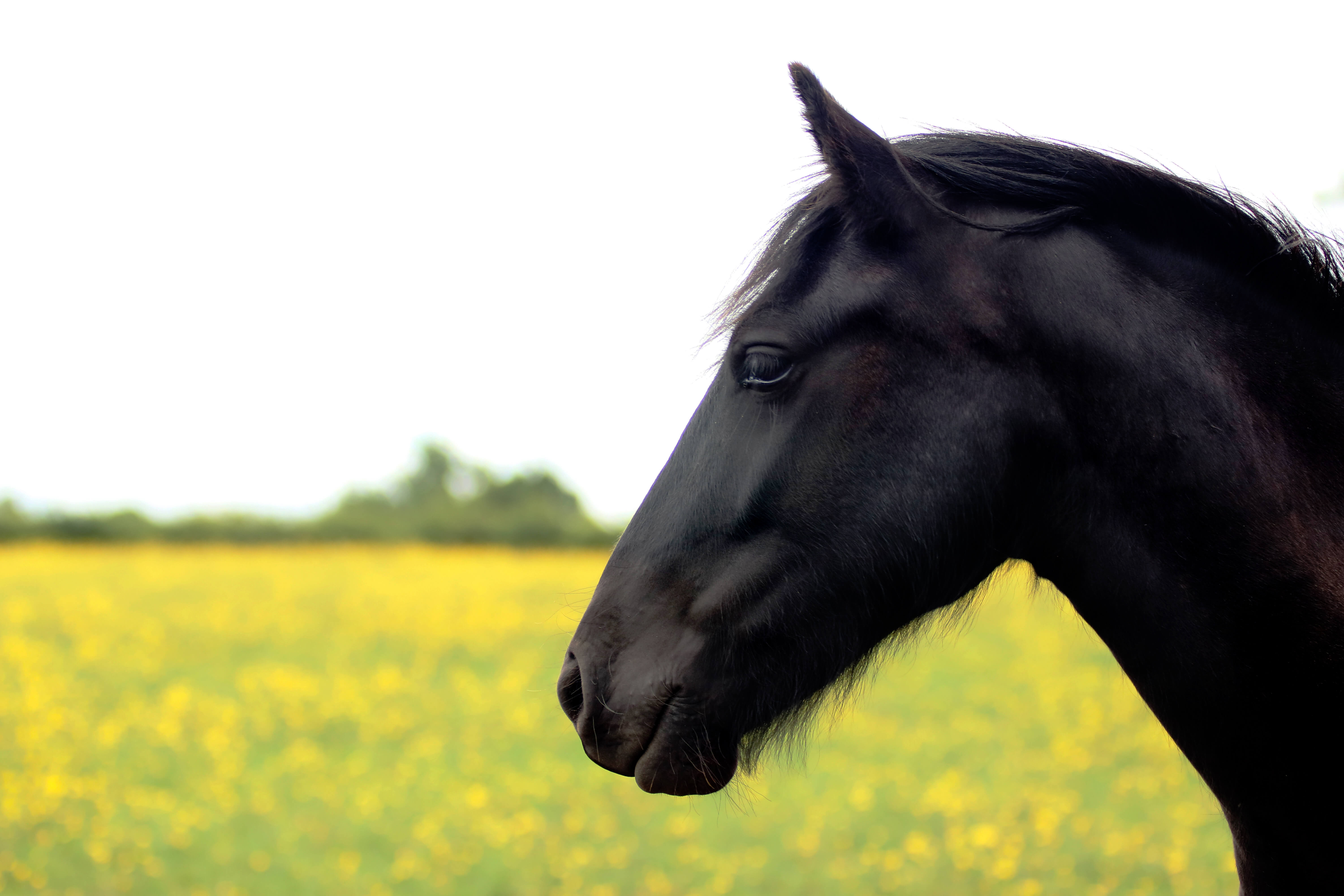
The Section A is the smallest of the Welsh breeds and is also known as the Welsh Mountain Pony. These ponies are popular with children and small adults. The introduction of Arab blood gave the pony one of its most commonly identified characteristics, the refined, concave head.
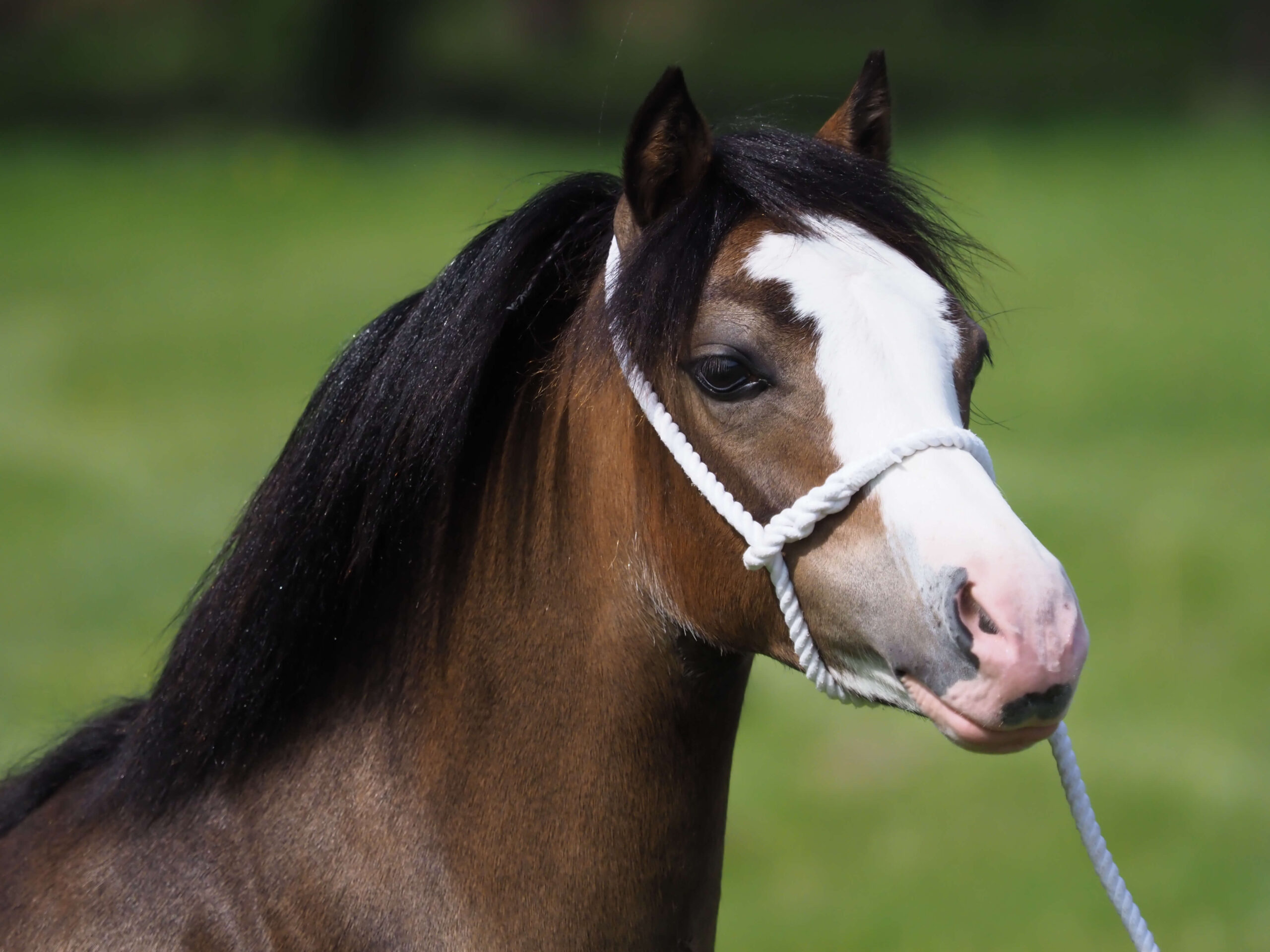
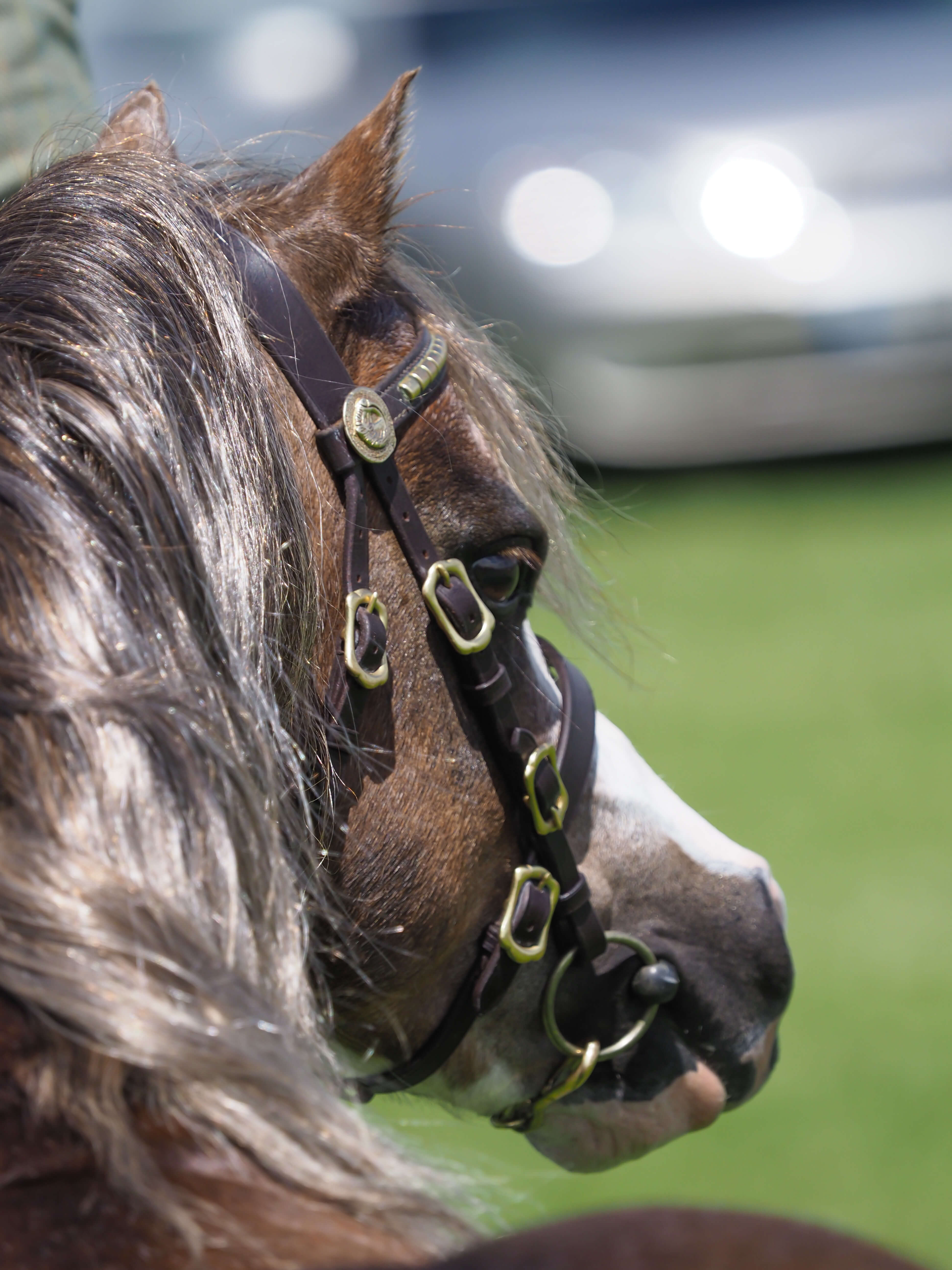
Section B: The Welsh Pony (up to 13.2 hands high).
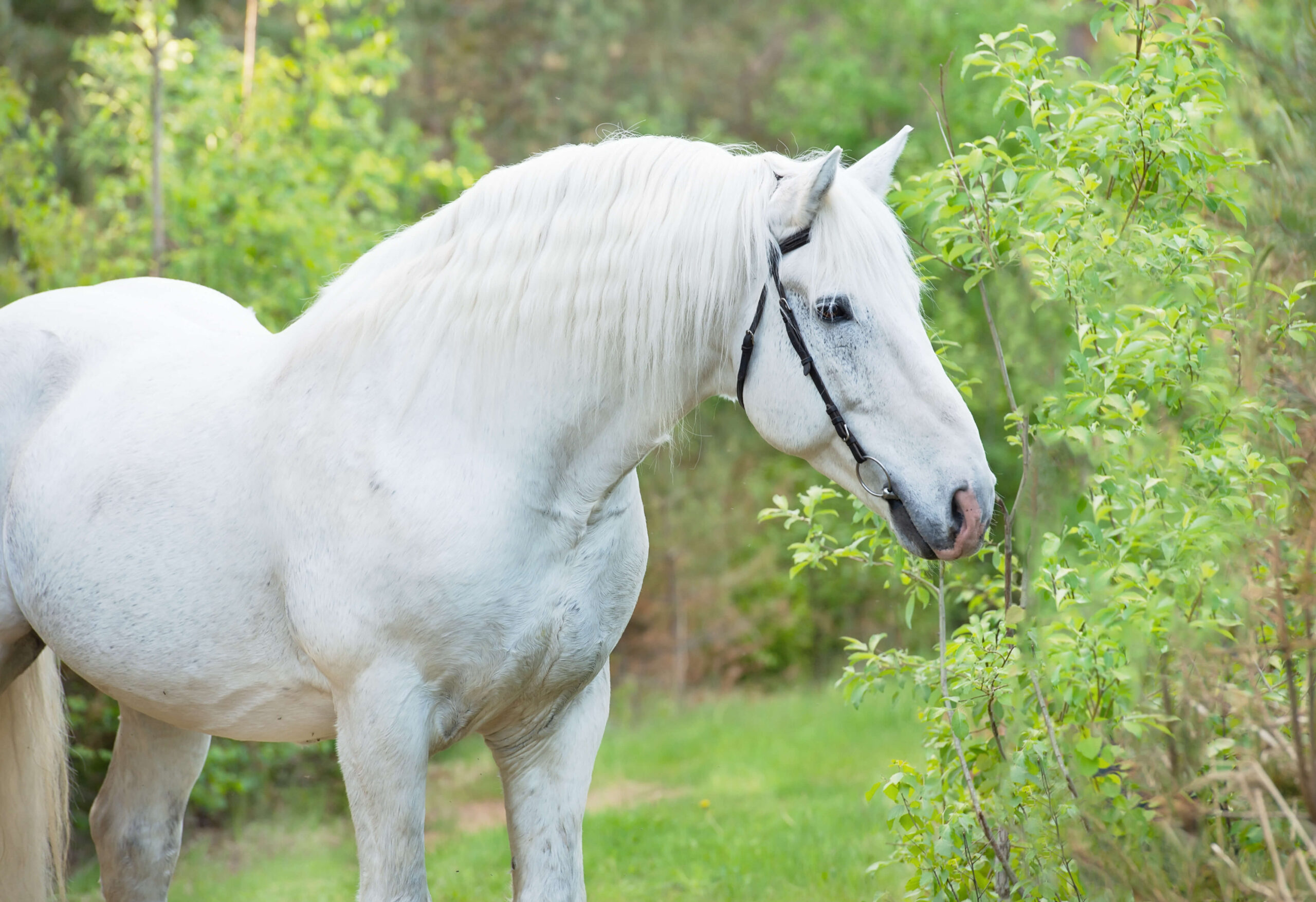
Welsh Section Bs are similar in characteristics to Section As, but the most notable difference is their height, which is allowed to be up to 13.2 hands high. They are more of a riding pony type, with a good lower leg action and a more refined build. Arab, Thoroughbred and Hackney blood helped refine the Section B, and add a little bit of height. The Section B is an incredibly versatile pony and excels in many different disciplines.
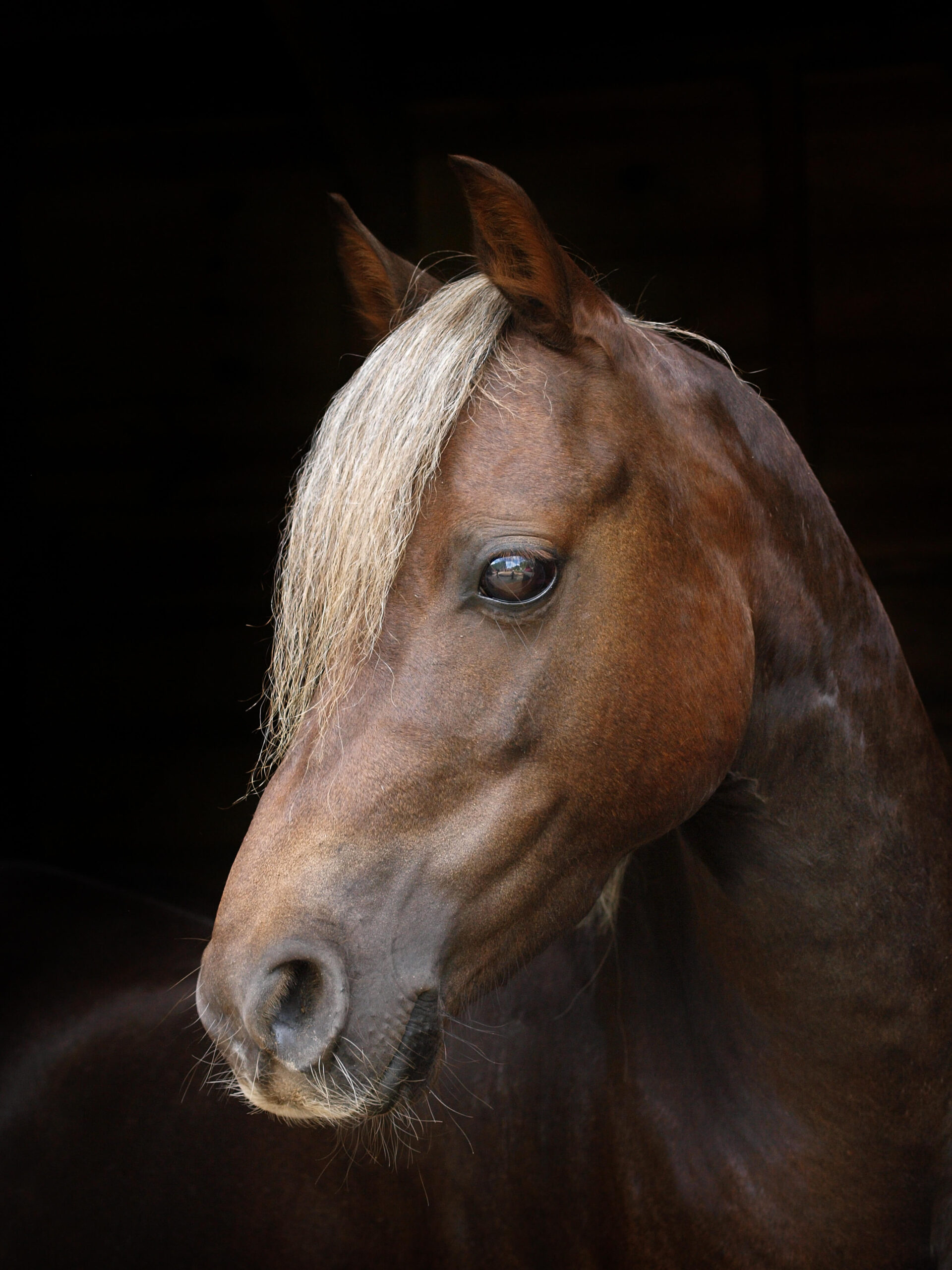
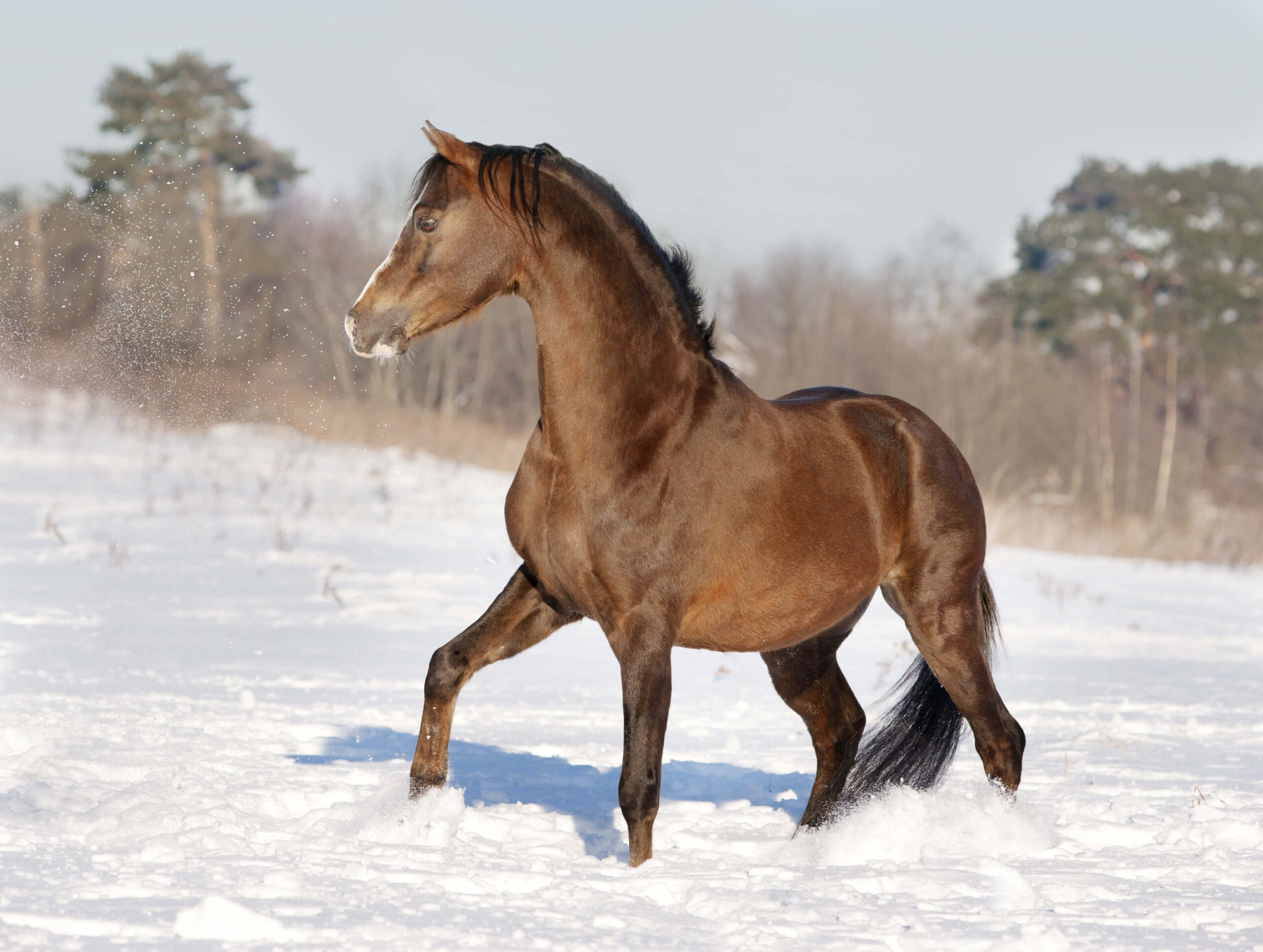
Section C: the Welsh Pony of Cob Type (up to 13.2 hands high).
The Welsh Section C is part cob, part pony and very suited to a number of disciplines. It is thought that the Section C came about by the crossing of Section As and Section Ds (cobs) and it is the least common type of Welsh Pony. They are bigger and more muscled than a Section B but are still athletic. They are known for being good jumpers, with a particular affinity for working hunter classes and are fantastic at harness work.
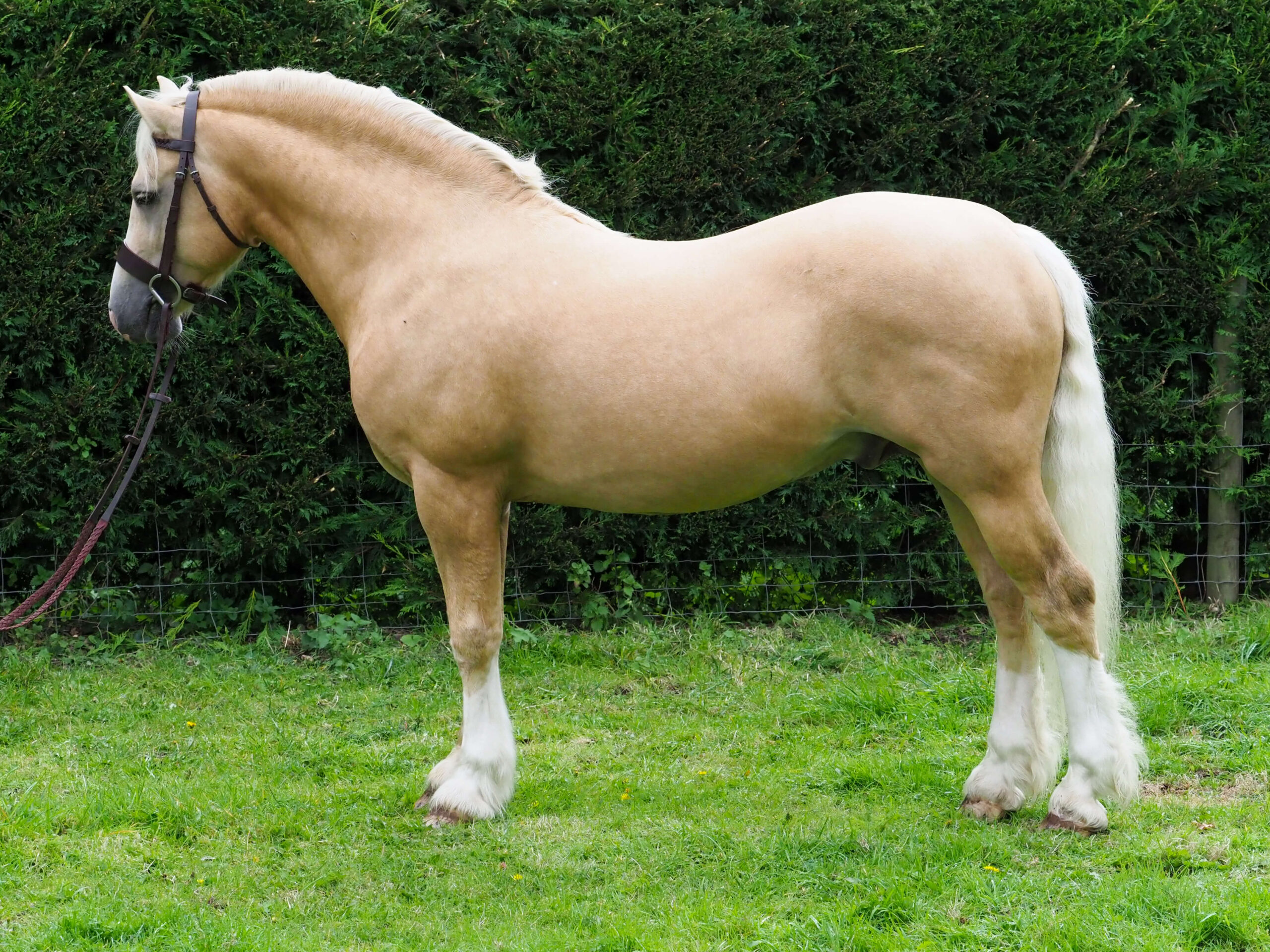
Section D: the Welsh Cob (over 13.2 hands)
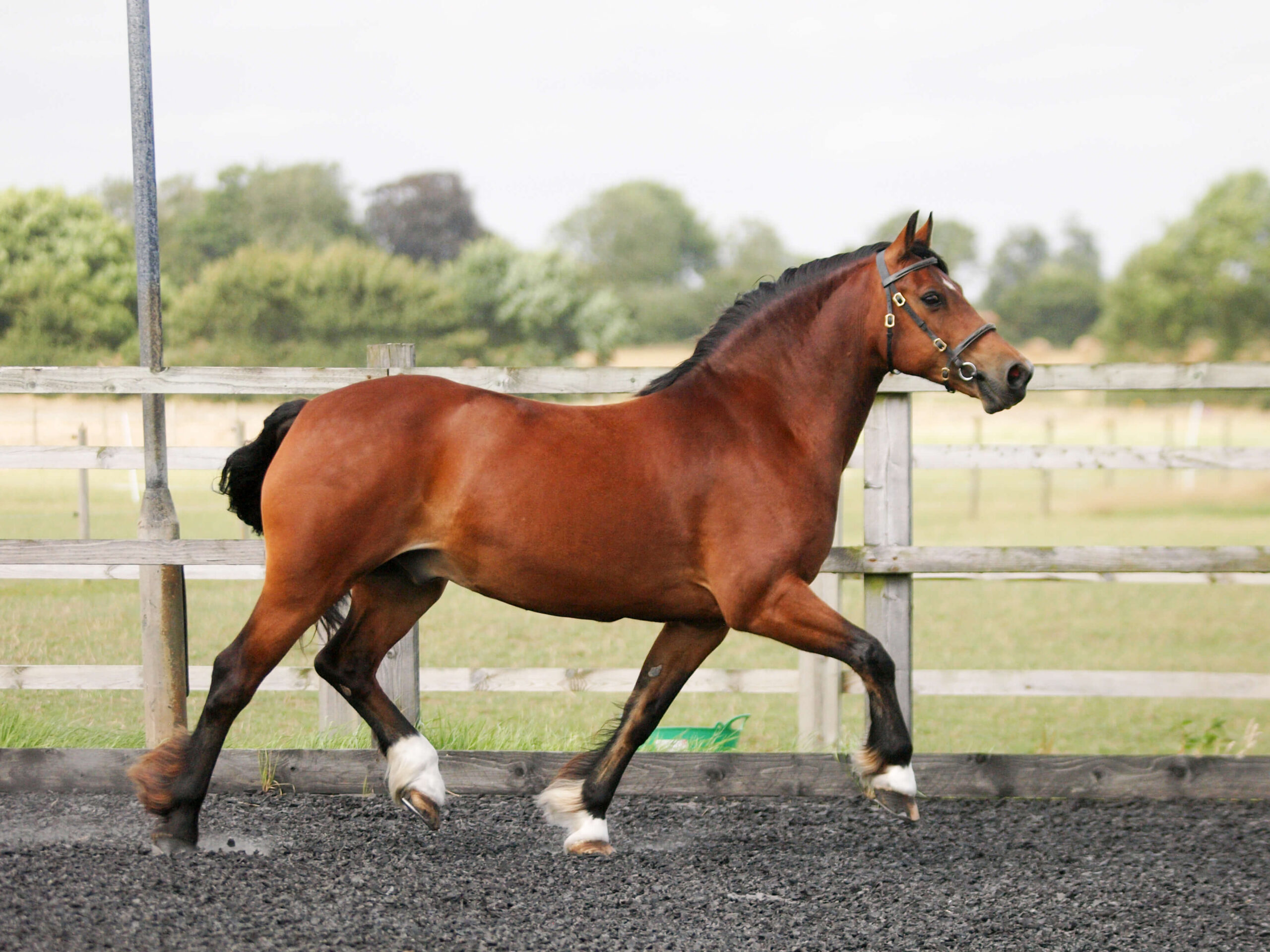
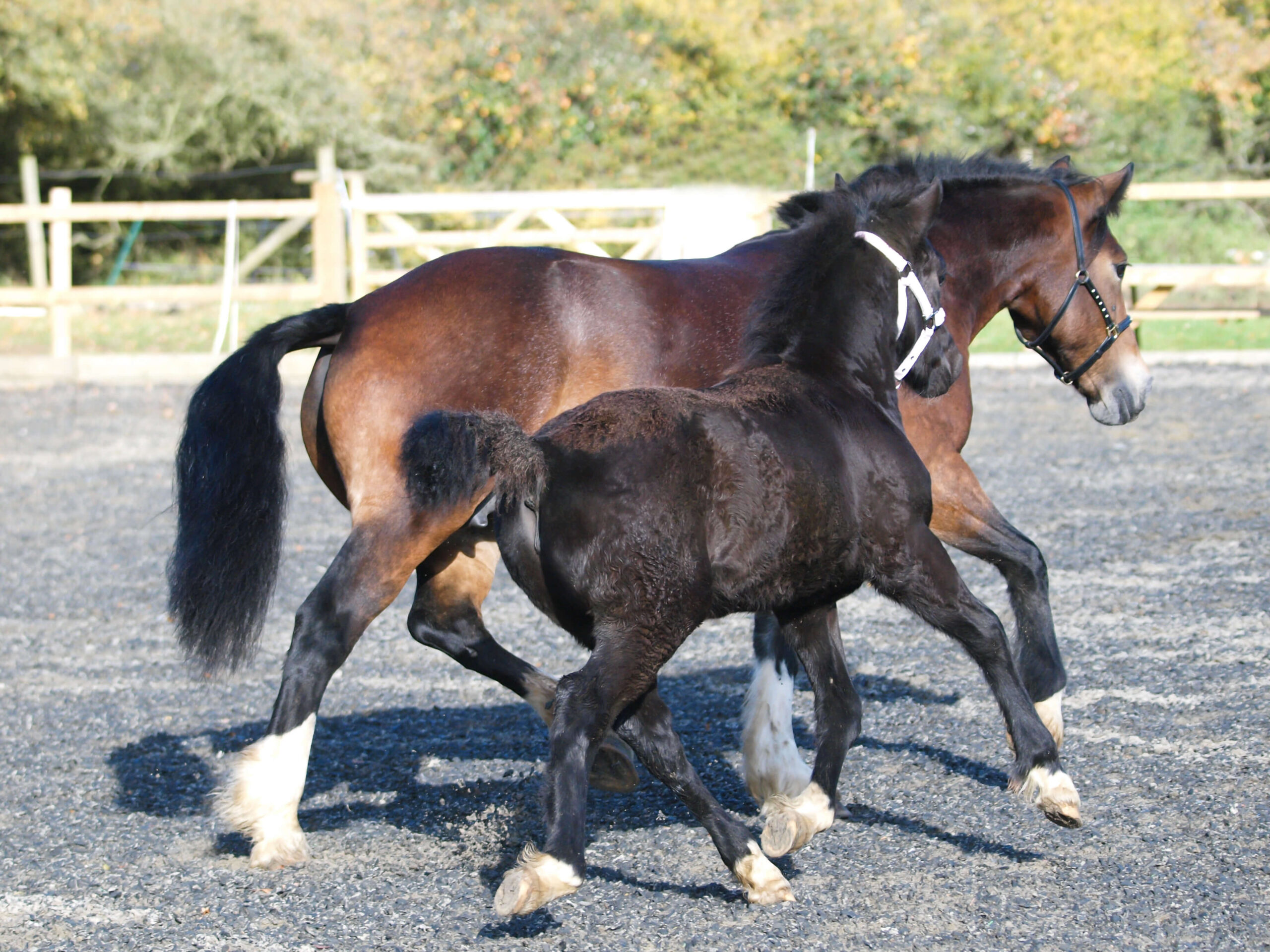
The Welsh Section D is otherwise known as the Welsh Cob. The breed category has no height limit, but these ponies must exceed 13.2 hands high, although retaining pony characteristics is preferred even at this bigger size. The Cob has exceptional substance but still retains its athleticism.
Fun fact
During the 15th century, horses of Cob type were also used as ‘rounceys’. A rouncey is a cheaper warhorse used by squires, often accompanying the much more expensive warhorses known as ‘destriers’, into battle. Small-sized rouncey horses were preferred by mounted archers.
Did you know?
The Welsh Cob is essential to Welsh Culture, and the Cob classes at the Royal Welsh Show have some of the most loyal supporters.
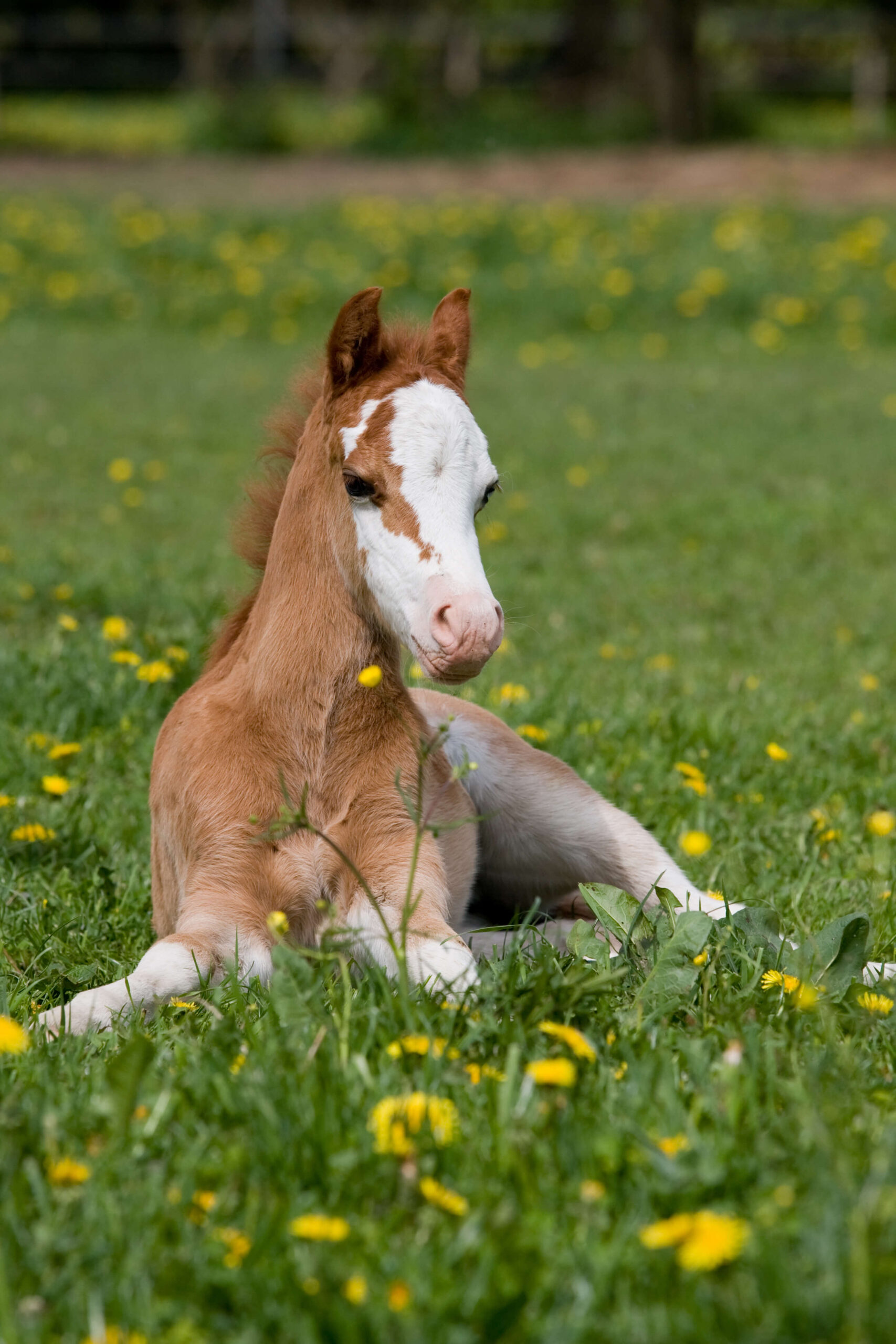
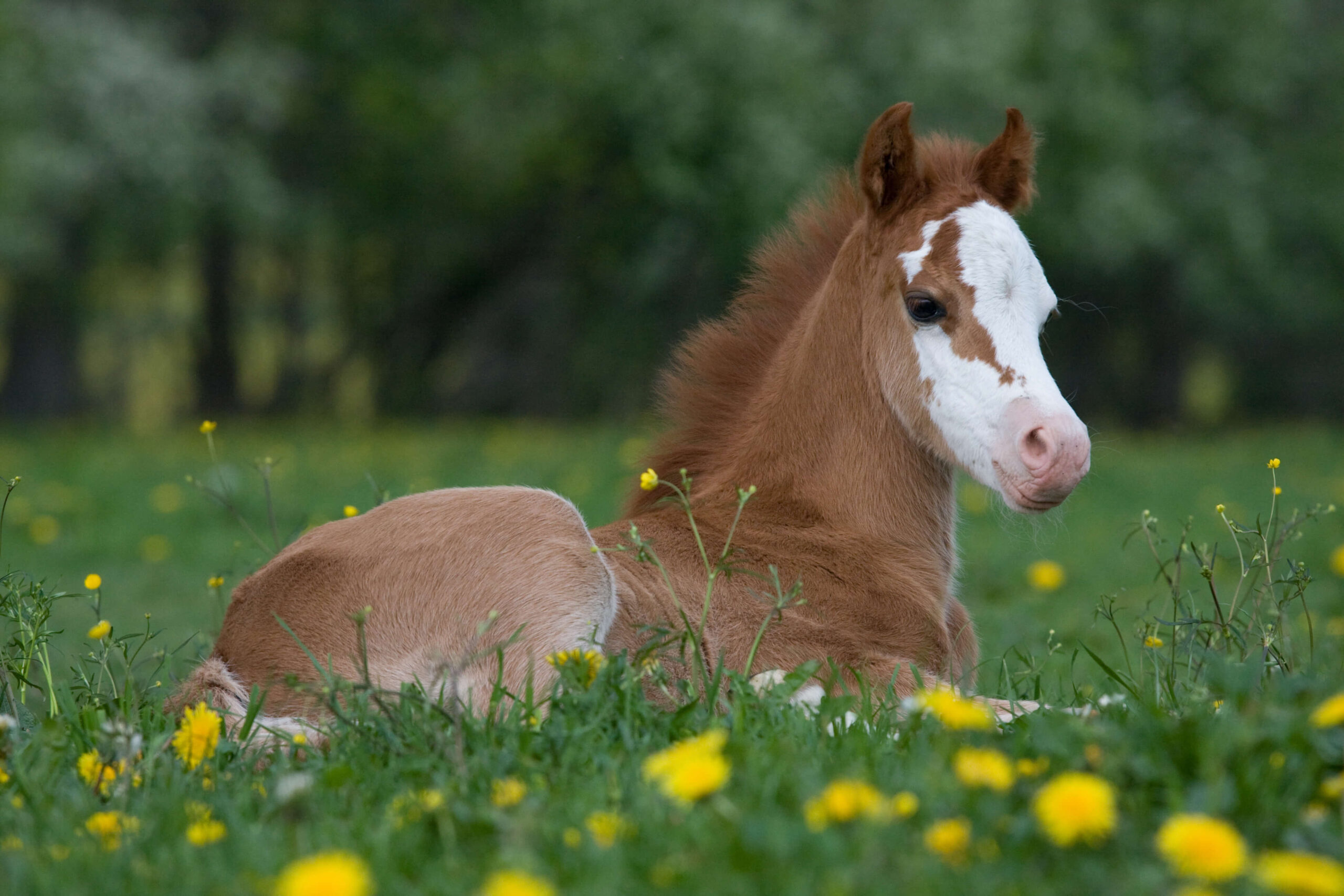
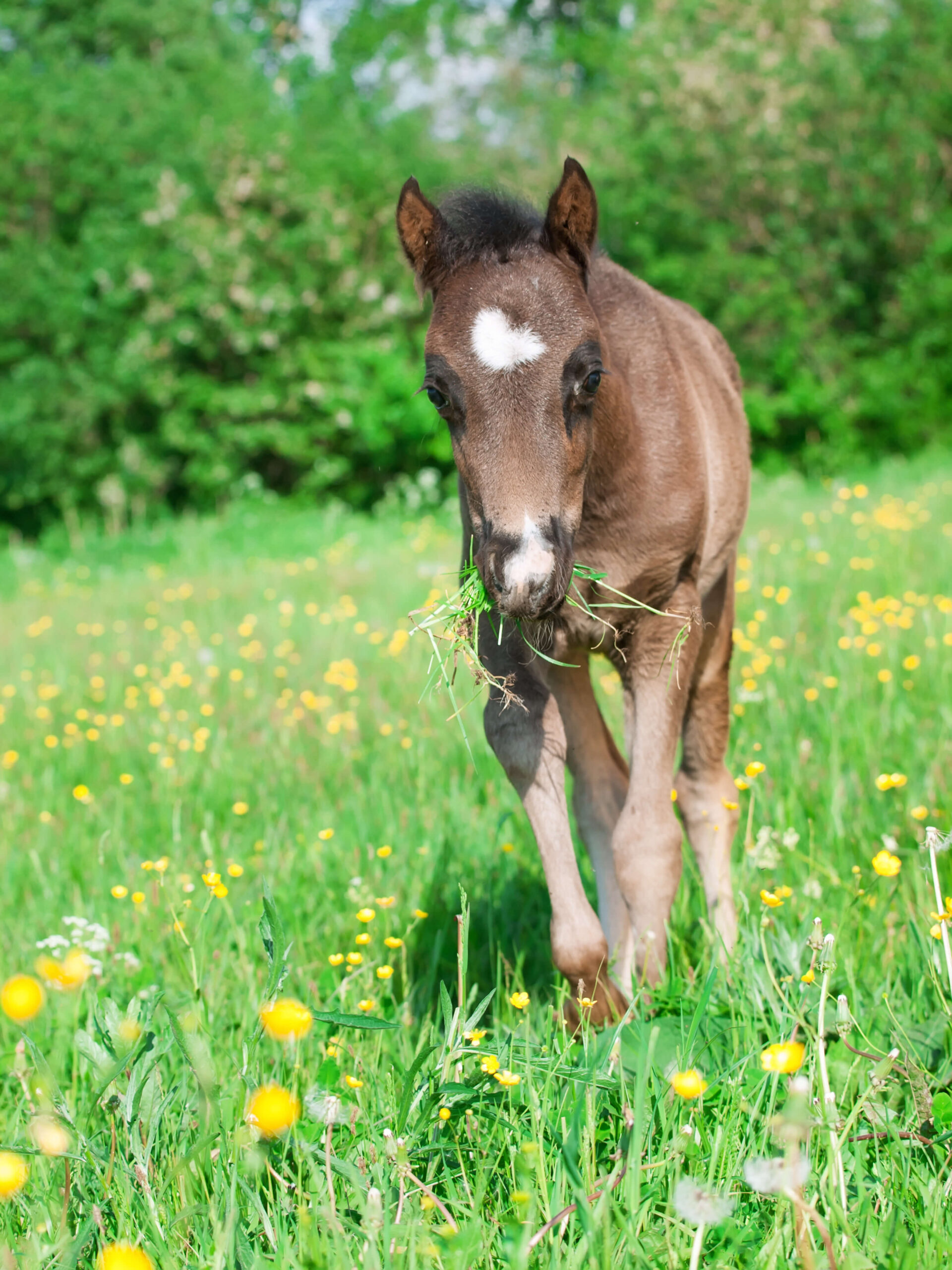
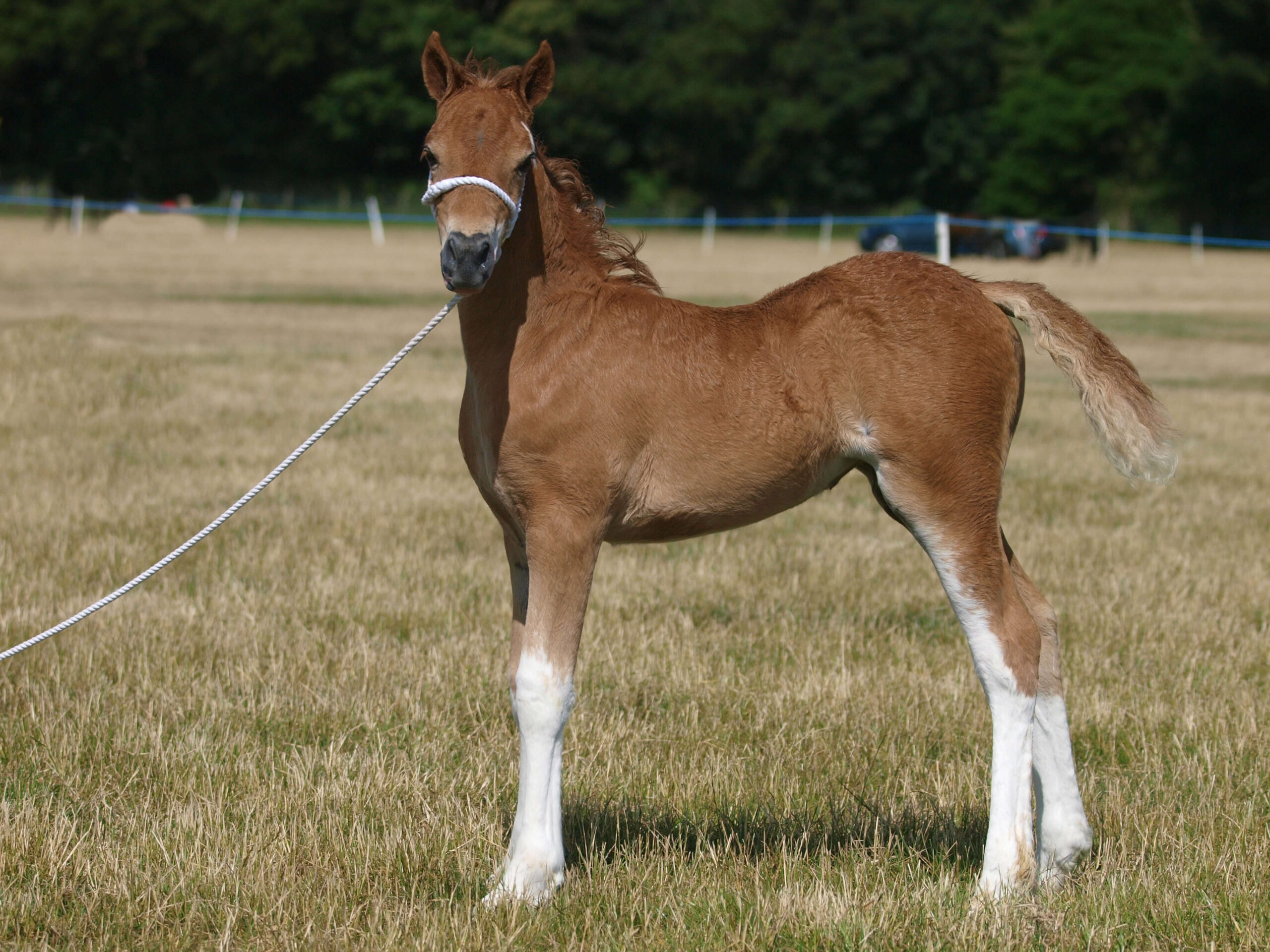
Welsh ponies have the cutest foals. Do you agree?
To learn about more horse and pony breeds check out our article on the Mongolian Horse.