
Think you know a bay from a chestnut? How about a pinto? Horse colours and markings can seem confusing at first, but once you know the basics, you’ll be spotting and naming colours like a pro! Let’s decode the beautiful variety of horse colours together.
The basic colours
Most horse colours are variations of these four basics:
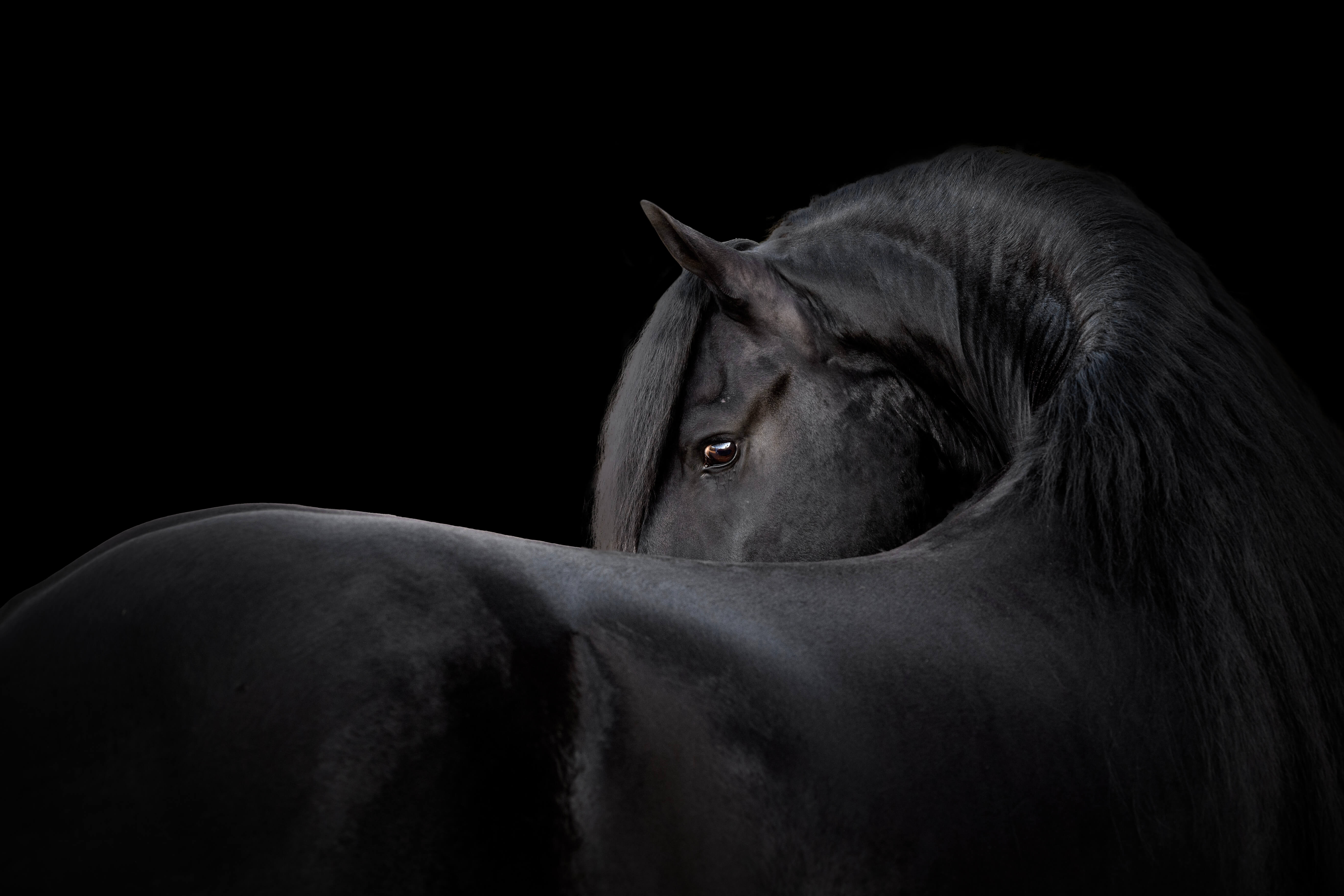
Black: True black horses are completely black all over – body, mane, tail, and legs. They’re actually quite rare!
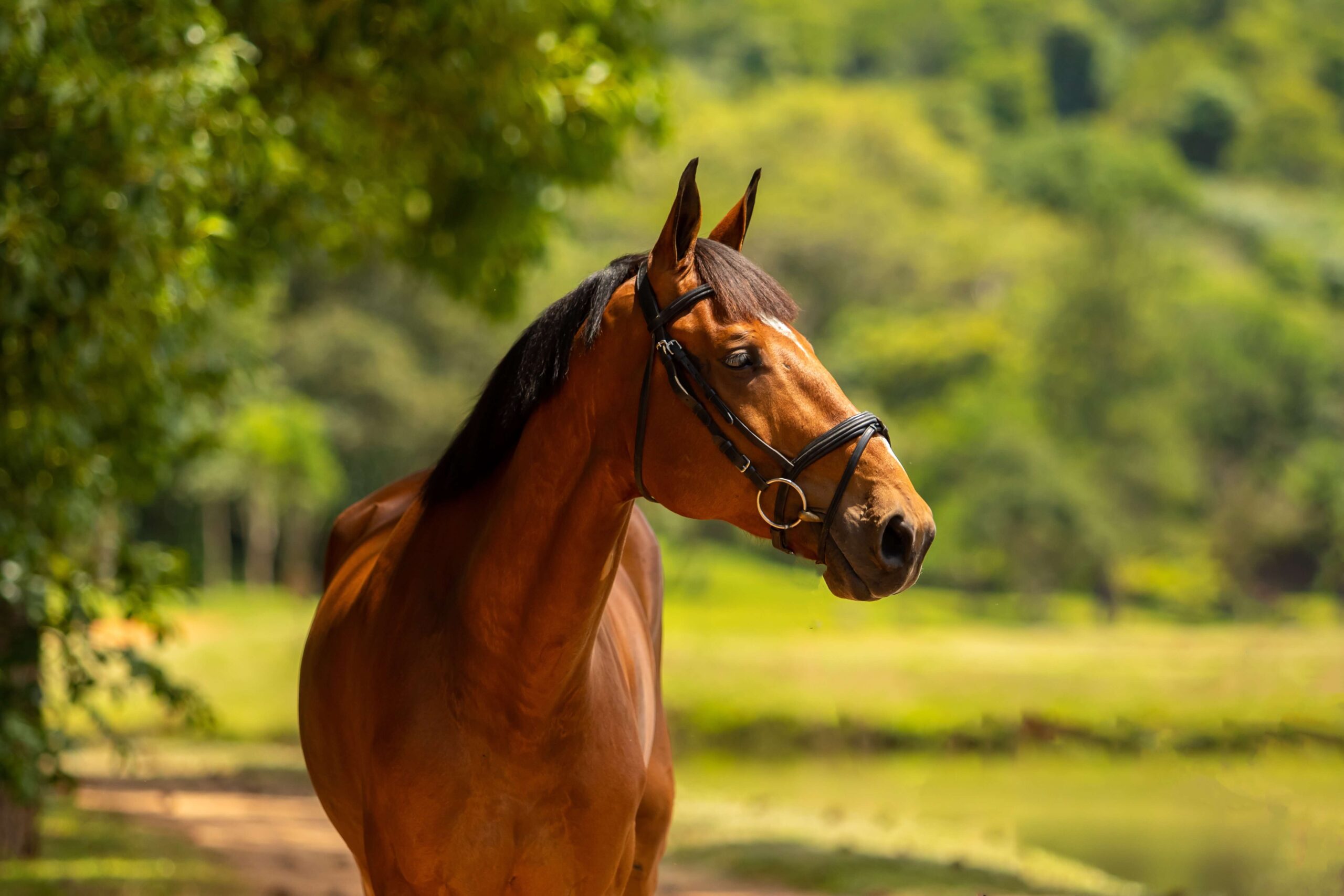
Bay: Brown body with black mane, tail, and usually black on the lower legs. This is one of the most common colours.
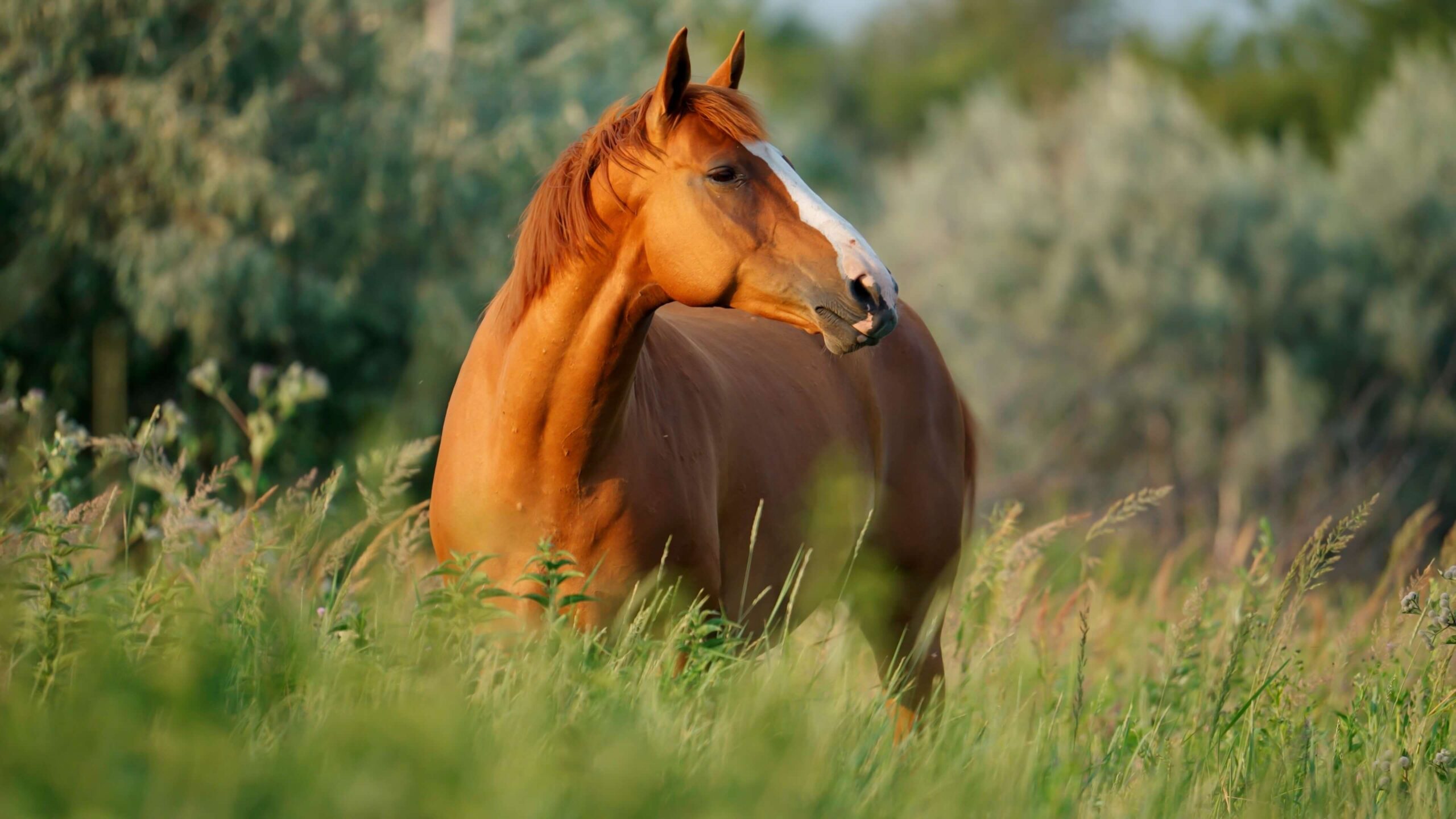
Chestnut: Reddish-brown body with mane and tail the same colour or sometimes lighter (called flaxen).
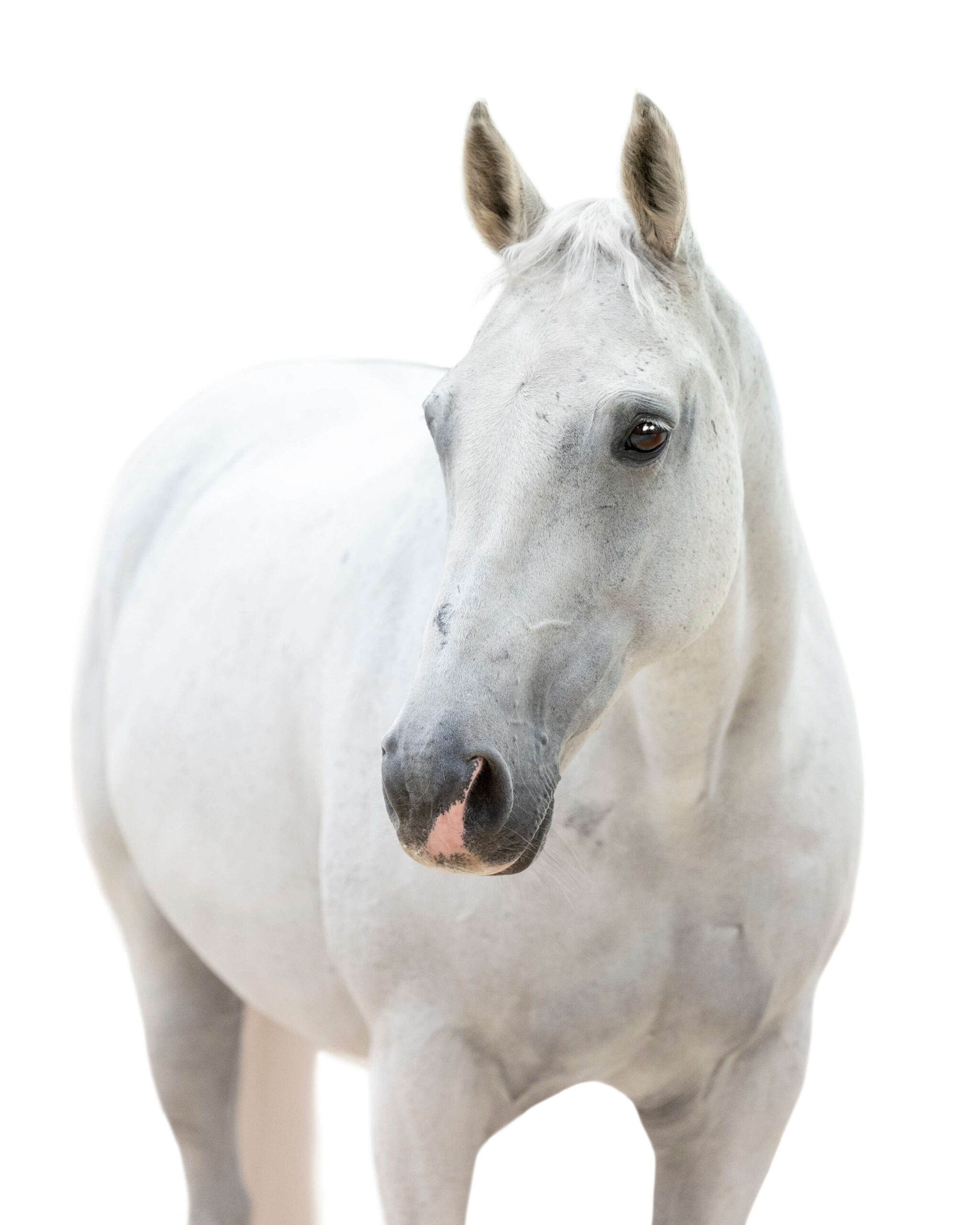
Grey: These horses are born darker and gradually lighten with age. Very old greys can appear almost white!
Variations and special colours
Now let’s look at some variations:
Palomino: Golden body with white or cream mane and tail. Think of a shiny gold coin!
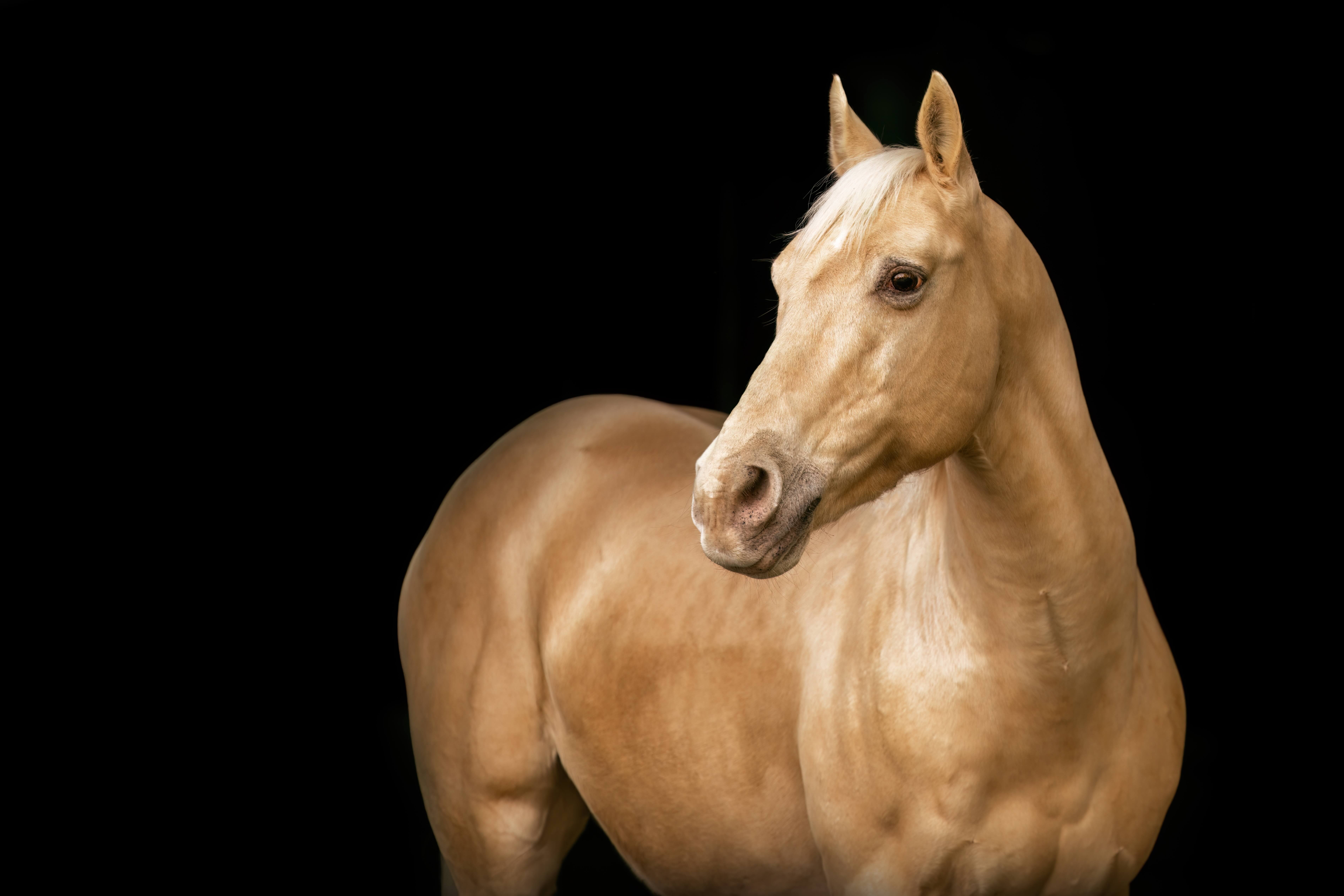
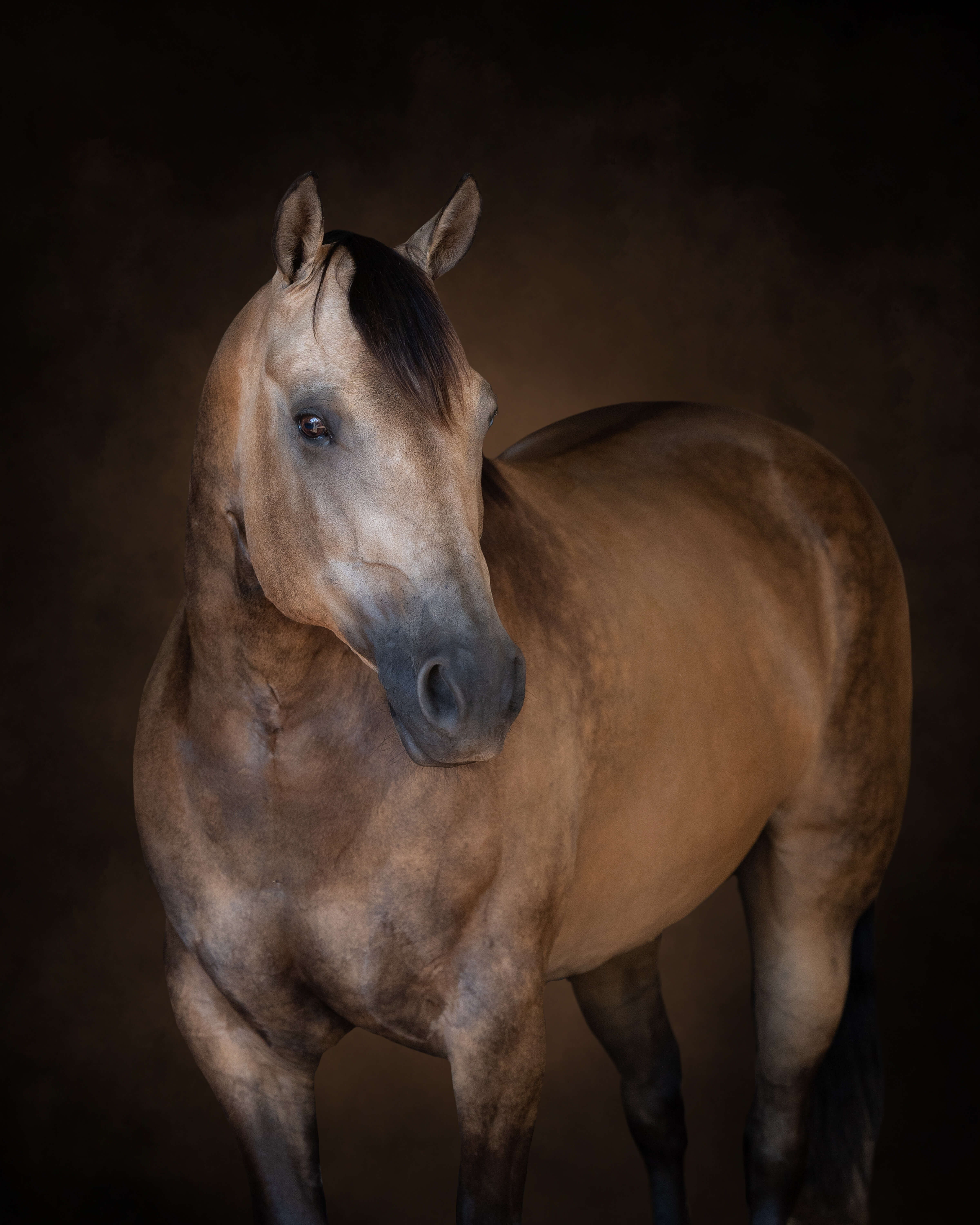
Buckskin: Yellowish or tan body with black mane, tail, and legs. Often has a dark stripe down their back.
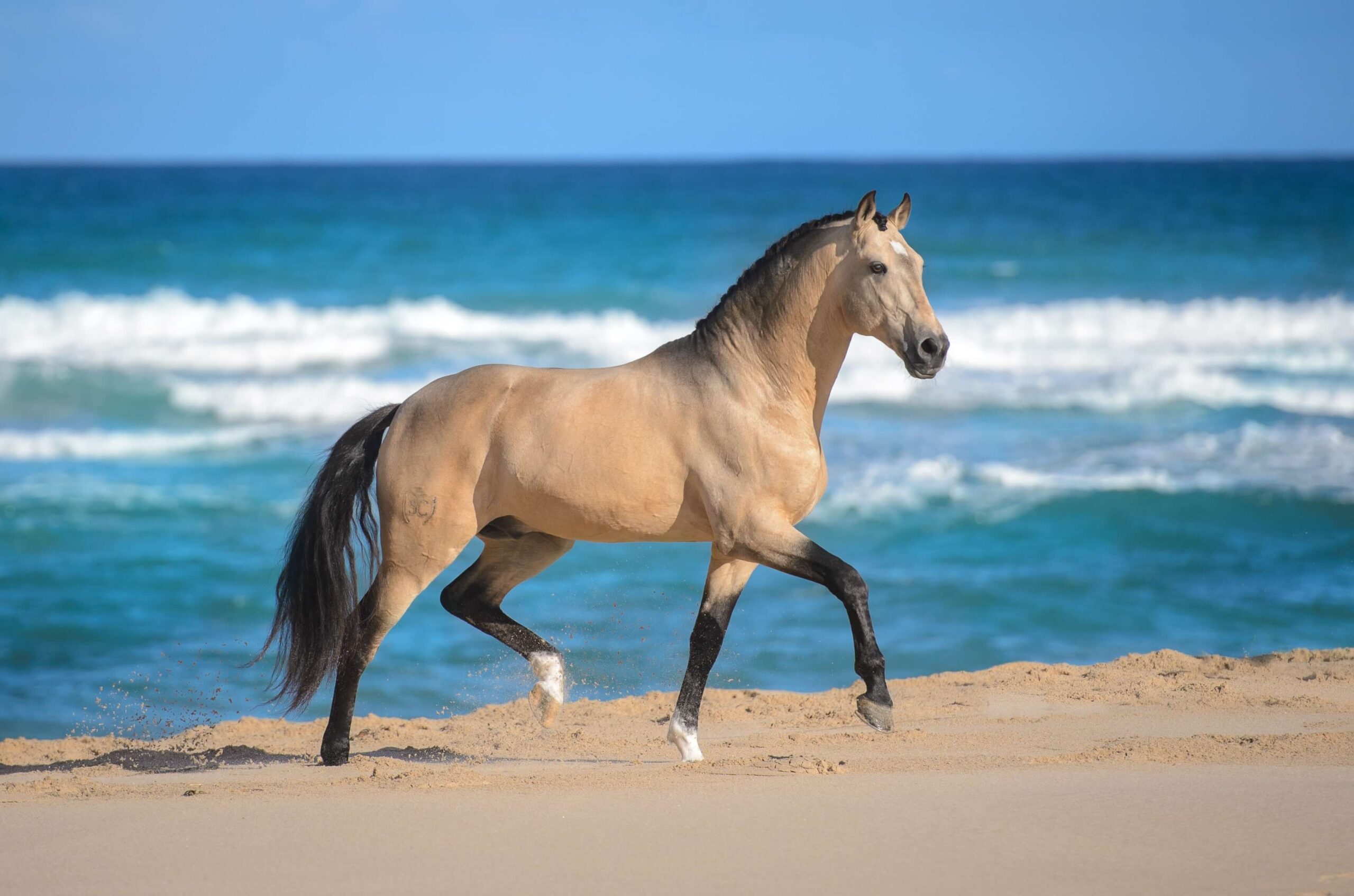
Dun: Similar to buckskin but usually with primitive markings like leg stripes and a dorsal stripe.
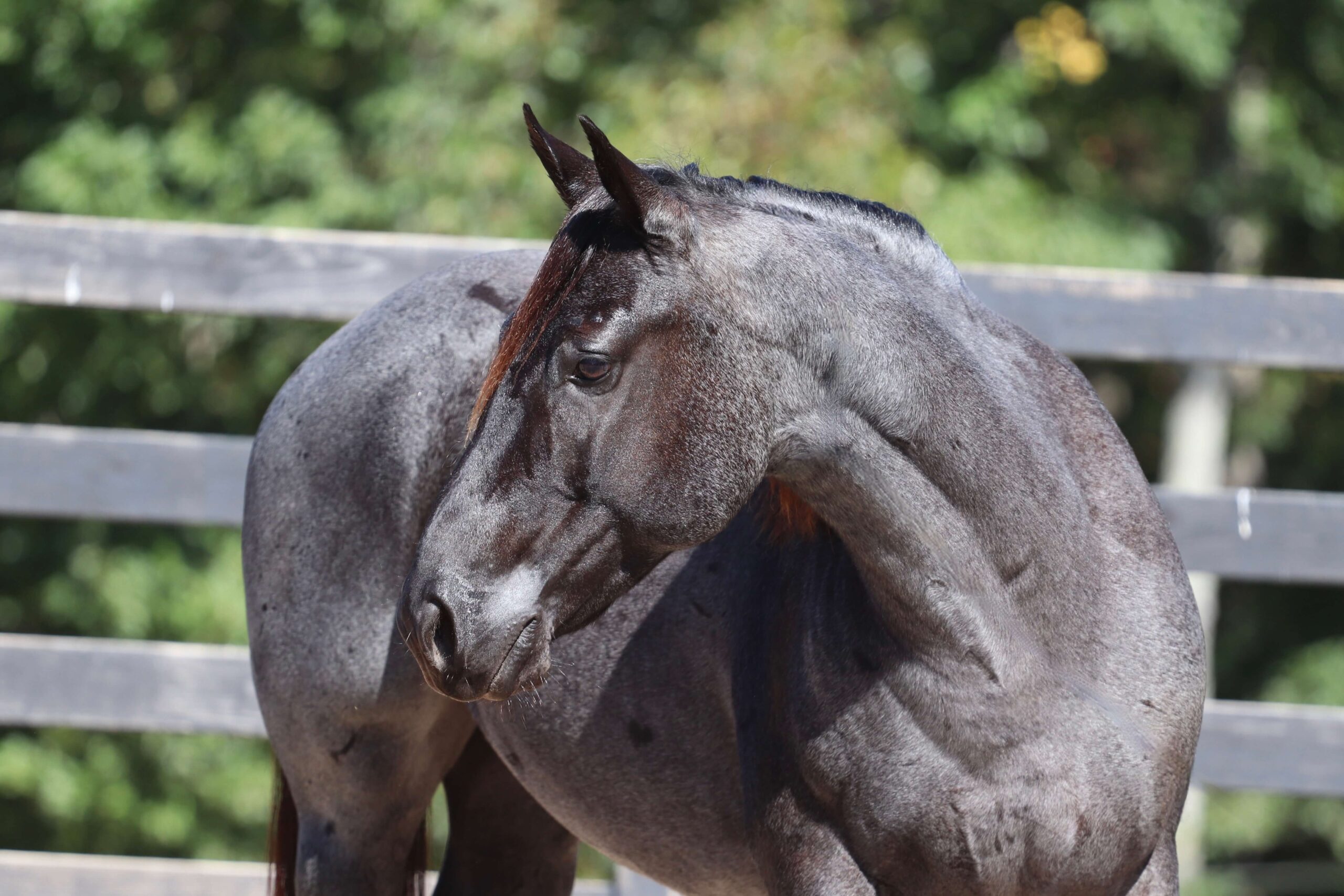
Roan: A base colour mixed with white hairs throughout. Red roan (chestnut base), blue roan (black base), or bay roan.
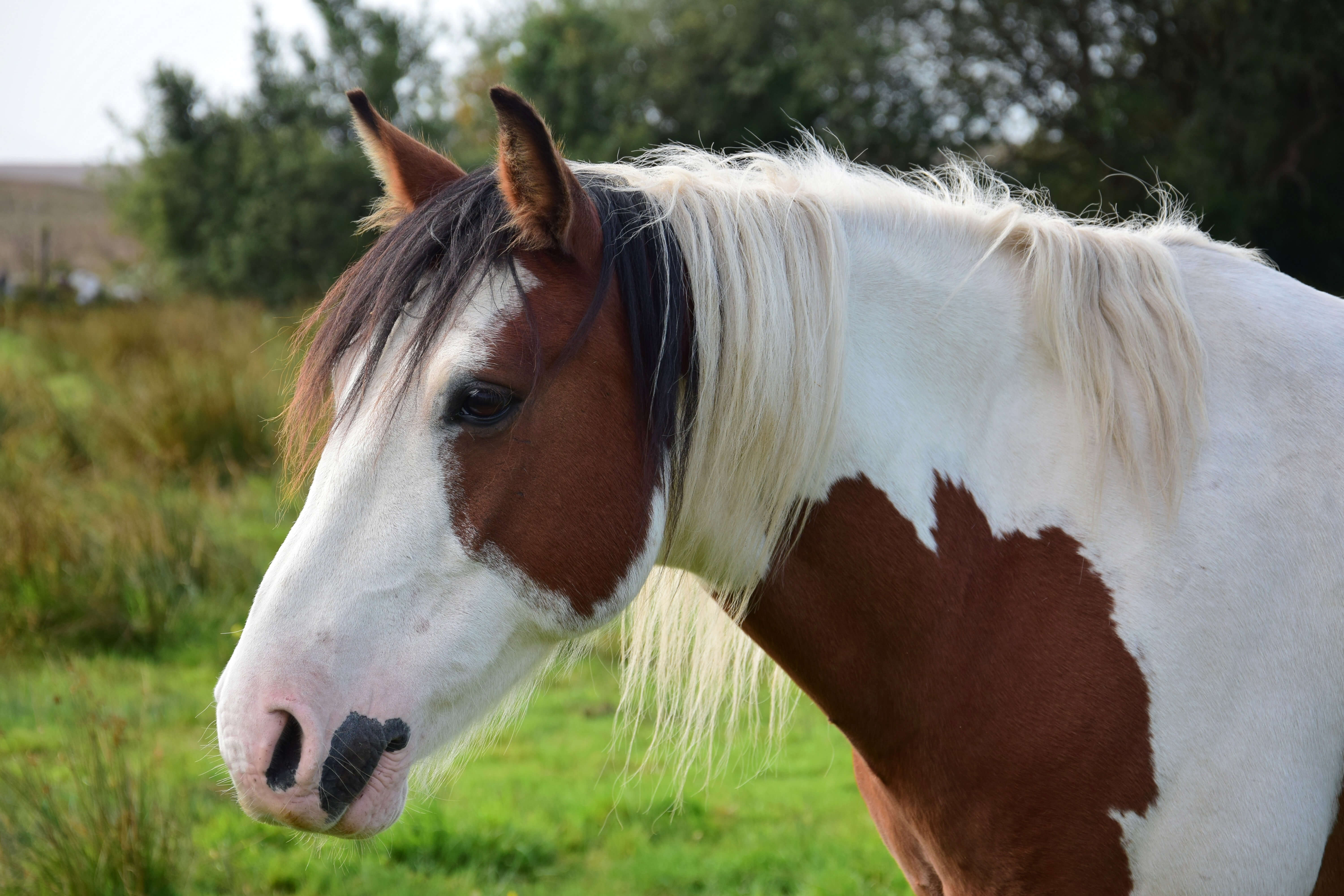
Pinto: Large patches of white mixed with any other colour. Face markings.
Face markings
White markings on the face have special names:
- Star: A white spot on the forehead
- Stripe: A narrow white line down the face
- Blaze: A wide white stripe down the face
- Bald face: White covering most of the face
- Snip: A small white spot on the muzzle

Leg markings
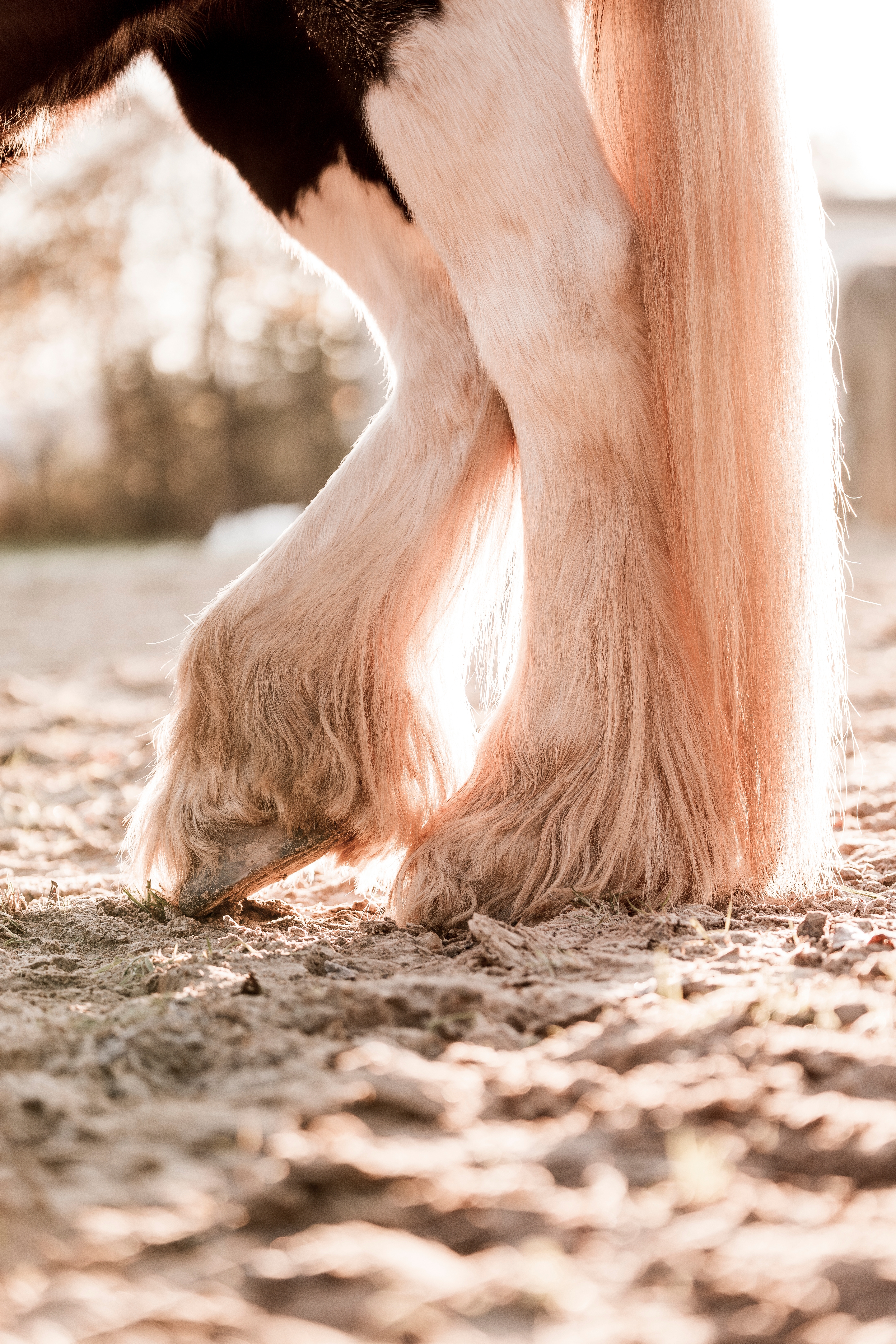
White on the legs is measured by how high it goes:
- Coronet: Just a tiny bit of white at the top of the hoof
- Pastern: White up to the pastern (ankle area)
- Sock: White part-way up the lower leg
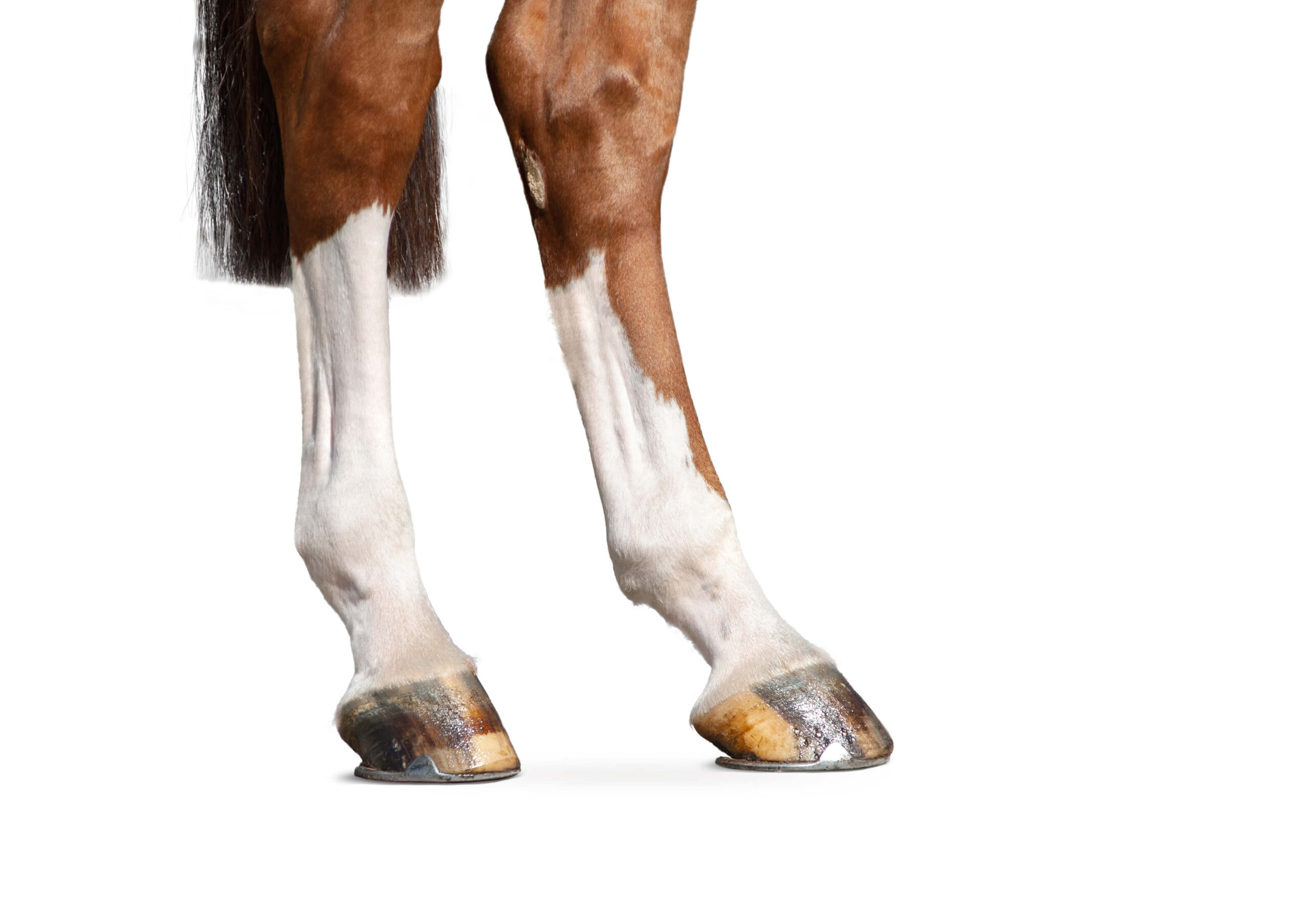
- Stocking: White up to or above the knee/hock
Fun colour facts
Here are some amazing colour facts:
- All grey horses are born dark and lighten with age.
- Some horses change colour with the seasons!
- White horses are actually very rare – most ‘white’ horses are very light greys.
- Foals are often born a different colour than they’ll be as adults.
- Some colours are more common in certain breeds.
The colour detective game
Next time you see horses, try to identify their colours and markings! Start with the basics:
- Look at the body colour first.
- Check the mane and tail colour.
- Note any leg markings.
- Identify face markings.
- Put it all together to name the colour!
Why does it matter?
Understanding horse colours helps you communicate clearly about horses, appreciate the incredible variety in the horse world, and understand some interesting genetics. Plus, it’s just fun to be able to correctly identify that beautiful buckskin or striking pinto!
Remember, every horse is beautiful regardless of their colour, but knowing the terminology helps you appreciate the amazing variety that exists in the equine world!

