Feeding and management for confidence
Have you ever climbed into the saddle, only to feel your pony jigging on the spot, spooking at every leaf, or charging off with far more energy than you expected? It can feel scary, and often, it’s not you doing something wrong. Sometimes, ponies act this way because of how they’re fed or managed. The good news? With a few smart choices, you can help your pony stay calmer and feel more confident together.
Why feed and management matter
Ponies are designed to eat little and often, grazing for most of the day. When their diets or routines don’t match this natural pattern, they can become uncomfortable, restless, or just have way too much energy. And a fizzy pony can make a rider nervous, too.
Here are some common causes of ‘over-excited’ ponies:
- Sugar-rich feeds: Molasses, sweet mixes, and some treats give ponies a sudden burst of energy (like a sugar rush!)
- Too much hard feed: Giving buckets of concentrate when your pony doesn’t need it can make them sharp and spicy!
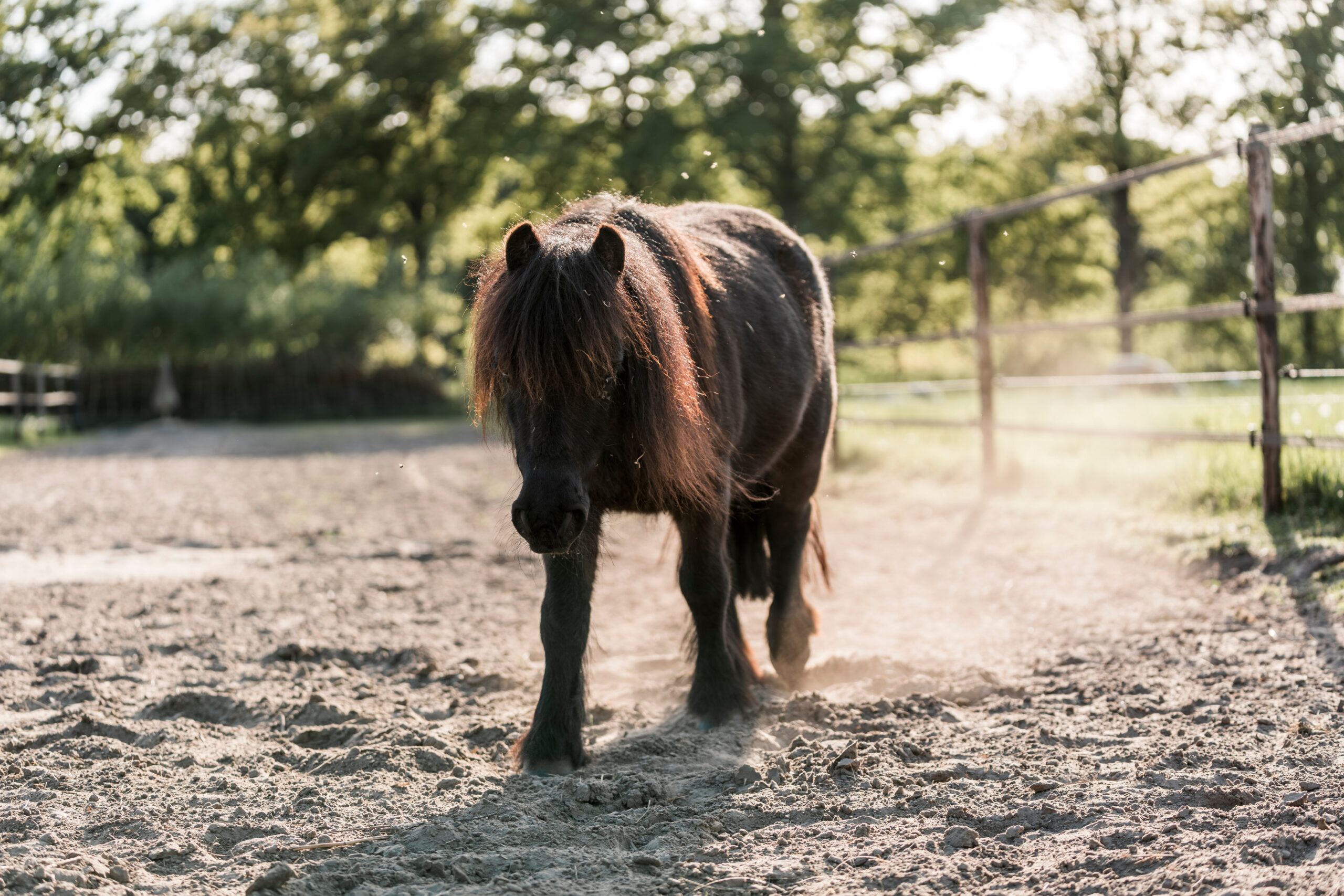
- Lack of turnout or exercise: Ponies stuck in stables for too long often come out fresh, spooky, and full of beans. They need an opportunity to run off their energy – just like us!
Feeding for calm confidence
The right diet helps ponies feel steady, focused, and healthy. Try these top tips:
- Forage first (and always!): Ponies need access to forage – hay or grass – around the clock. Their digestive system is designed to keep moving, and long gaps without food can cause stress, tummy pain, or even ulcers. Some riders think cutting back what a pony eats will make them quieter, but it actually makes them more anxious and uncomfortable. A pony with steady access to forage 24/7 is calmer, healthier, and happier to ride.
- Low-sugar choices: Look for chaffs and feeds marked ‘low starch’ or ‘low sugar.’ These give energy without the fizzy side effects.
- Only as much as they need: Match your pony’s feed to their work. A pony ridden three times a week doesn’t need the same energy as a competition horse! Chat to your equine nutritionist to come up with a diet tailored to your pony and their workload.
- Smart snacking: Carrots and apples are fine in small amounts, but remember they have natural sugars. You can also use fibre cubes as treats.
Forage fixes
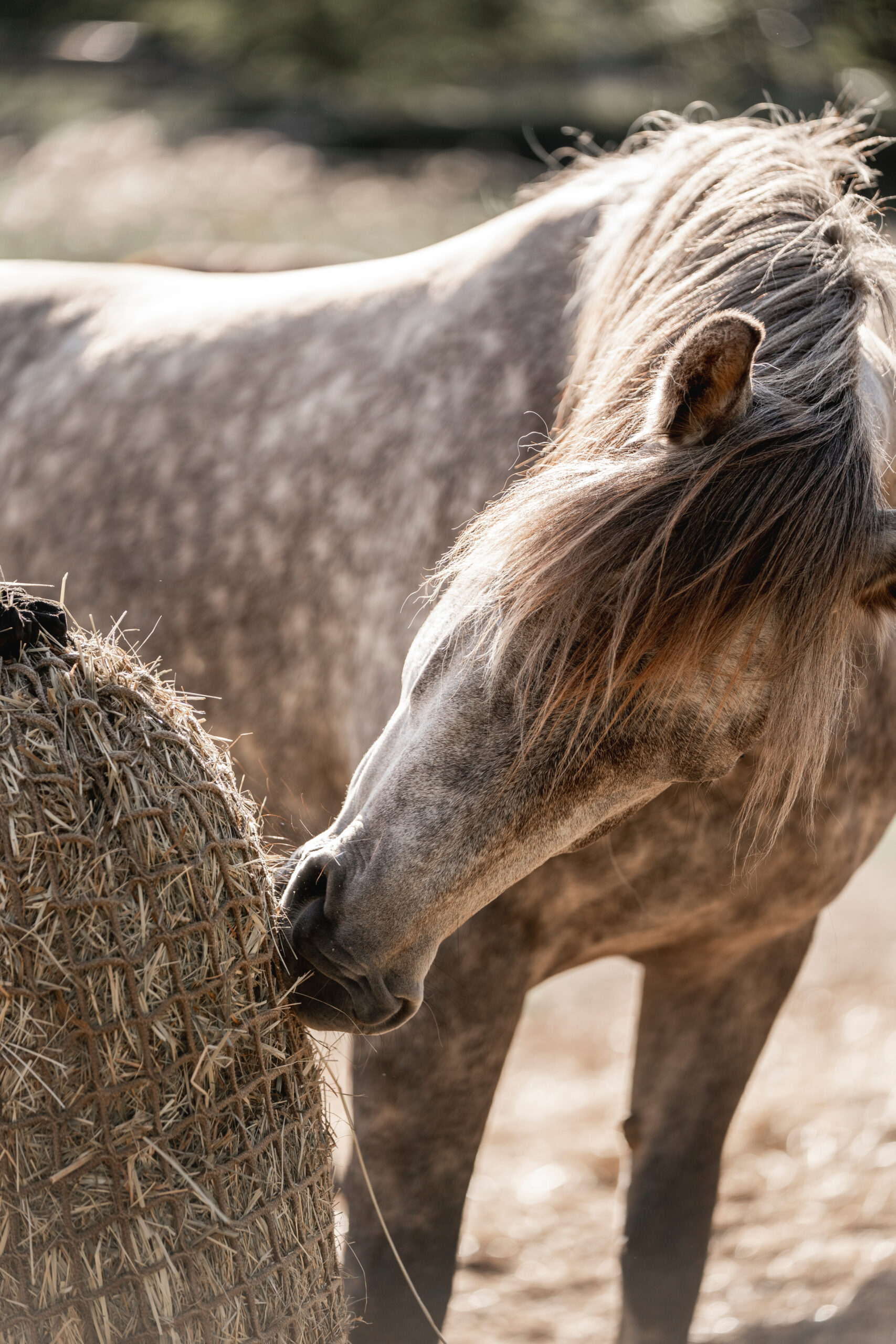
Keeping forage available 24/7 doesn’t mean your pony has to pile on the pounds. Here are some clever ways to keep them chewing without overdoing the calories:
- Use double haynets: Putting one haynet inside another slows down how quickly your pony eats.
- Try small-hole haynets: Smaller gaps = longer munching time.
- Consider a grazing muzzle: For good-doers at grass, muzzles allow them to nibble steadily without overeating.
- Soak hay: Soaking hay for a few hours can reduce sugar content.
- Spread it out: Put several small haynets or piles of hay around the stable or paddock to encourage natural ‘foraging.’
Management makes a difference
What you do outside of feeding is just as important:
- Turnout time: Ponies are calmer when they can move, graze, and socialise. The more turnout, the better.
- Regular exercise: Even a hand walk on non-riding days helps use up extra energy.
- Routine is reassuring: Ponies feel confident when their days follow a predictable pattern. Try to feed, ride, and turn out at regular times.
When to ask for help
If your pony feels too fizzy, spooky, or difficult to manage, talk to your instructor or a vet. Sometimes health issues (like ulcers, pain, or even too much weight) can play a role. Never be afraid to ask for advice!

Take home message
A pony who feels comfortable, well-fed, and well-managed is much easier (and more fun!) to ride. By keeping their diet simple, their routine steady, and their forage available 24/7, you’ll both feel calmer, braver, and more confident together.