The dancing horses with royal roots and Christmas magic
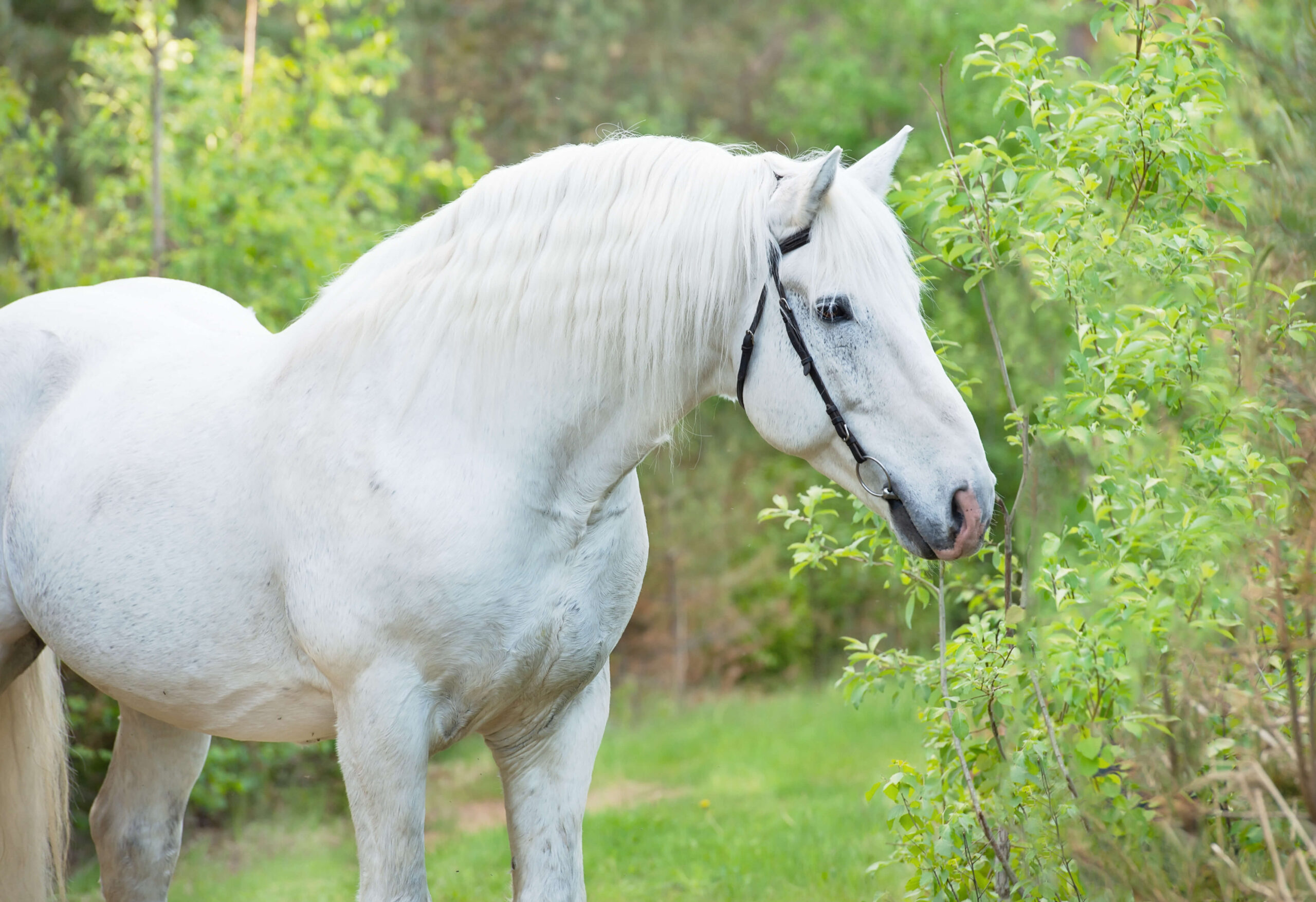
Imagine a horse so white it looks like it’s made of fresh snow, moving with such grace and power that it seems to be dancing on air. That’s the Lipizzaner – a breed that’s been perfecting the art of classical dressage for over 400 years. These magnificent horses look like they belong in a fairy tale, and their story is just as magical as their appearance.
With their pure white coats gleaming against a summer sky, Lipizzaners bring that special winter-white magic to a South African Christmas.

A breed fit for royalty
The Lipizzaner’s story begins in 1580 at a place called Lipica (which is where they get their name), in what is now Slovenia. The Habsburg royal family – one of the most powerful dynasties in European history – wanted to create the perfect horse for their riding school and military needs. They carefully bred Spanish horses, Arabian horses, and local European horses together, selecting only the very best to continue the bloodline.
These weren’t just any horses. The Habsburgs needed horses that were intelligent enough to learn complicated movements, strong enough to carry armoured knights, calm enough to handle the chaos of battle, and graceful enough to perform in grand ceremonies. It took centuries of careful breeding to create the Lipizzaner we know today, and the result was absolutely worth the wait.
The most famous home of the Lipizzaner is the Spanish Riding School in Vienna, Austria. Despite its name, it’s not Spanish – it’s called that because of the Spanish horses used in the original breeding. This school has been training horses and riders in classical dressage since 1572, making it one of the oldest riding schools in the world. To this day, the white stallions of the Spanish Riding School perform shows that leave audiences absolutely spellbound.
The mystery of turning white
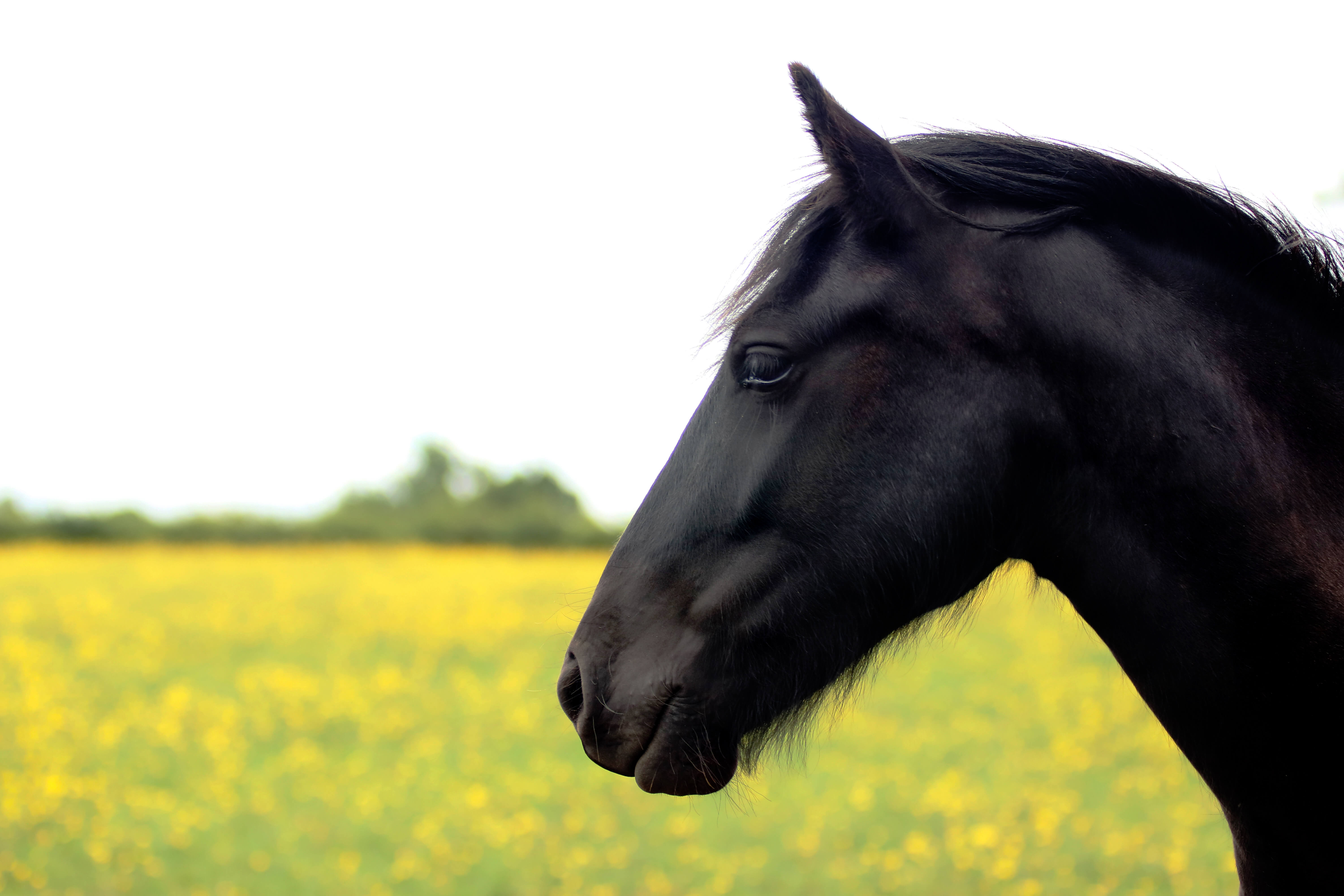
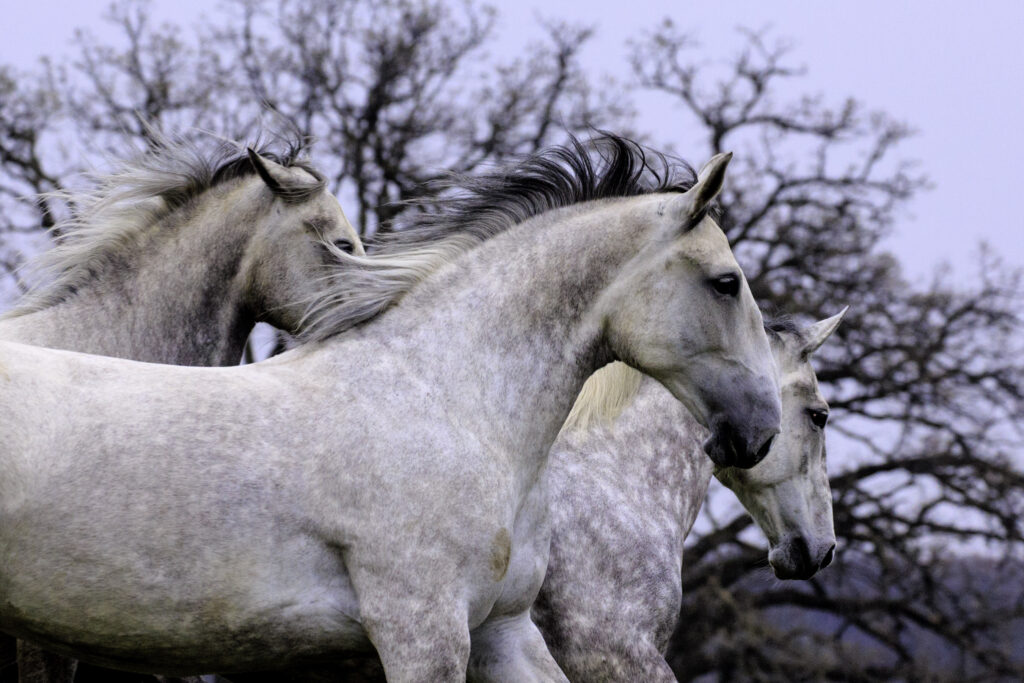
Here’s something that surprises almost everyone: Lipizzaner foals aren’t born white! They’re actually born dark – usually bay (reddish-brown) or black. Over the years, as they grow up, their coats gradually turn grey and eventually become the stunning pure white that makes them so recognisable. This process is called ‘greying out,’ and it usually takes between six and ten years to complete.

Imagine being a young Lipizzaner foal, looking at all the magnificent white horses around you, and wondering when you’ll finally join the snow-white club! Some horses grey out faster than others, and watching the transformation is like watching a very slow-motion magic trick. By the time they’re ready to perform in shows, most Lipizzaners have their full white coats.
Interestingly, every now and then, a Lipizzaner is born that stays bay or black their whole life. These horses are considered special good luck charms, and the Spanish Riding School always keeps at least one bay stallion in their performing group as a living link to the breed’s colourful origins.
Built for ballet
Lipizzaners might not be the tallest horses – they usually stand between 14.2 and 15.2 hands high (that’s about 147-157 cm at the shoulder) – but what they lack in height, they make up for in pure athletic ability and presence. They have compact, muscular bodies that are incredibly strong for their size. Their necks are elegantly arched, their shoulders are powerful, and their hindquarters are built like coiled springs, ready to launch them into the air.
Everything about their build is designed for the incredible movements they perform. They need strong backs to collect their energy, powerful legs to spring upward, and perfect balance to land gracefully. When you watch a Lipizzaner perform, you’re seeing centuries of selective breeding that created a horse capable of movements most other horses simply can’t do.

Dancing on air
This is where Lipizzaners truly shine. The movements they perform are called the ‘Airs Above the Ground,’ and they’re some of the most spectacular things you’ll ever see a horse do. These aren’t just tricks – they’re highly athletic movements that require years of training and incredible partnership between horse and rider. The movements actually have their origins in battle training, where horses needed to leap and kick to protect their riders.
The most famous moves include:
- The Levade – The horse sits back on deeply bent hind legs, raising his front end about 30-35 degrees off the ground. It looks like the horse is bowing to you!
- The Courbette – From the levade position, the horse makes a series of powerful jumps forward on his hind legs alone. Imagine hopping on your hind legs while keeping your front legs tucked up – now imagine doing it while carrying a rider!
- The Capriole – This is the ultimate move. The horse leaps into the air, brings his hind legs up, and kicks out horizontally at the peak of the jump. It’s basically a horse doing a horizontal jump while suspended in mid-air. Absolutely breathtaking!
- The Piaffe and Passage – These are elevated trots where the horse seems to float. In the piaffe, they trot in place with incredible energy and suspension. In the passage, they trot forward but with so much ‘air time’ between steps that it looks like slow-motion floating.
Learning these moves takes years – in fact, it takes about six years of training before a Lipizzaner is ready to perform publicly at the Spanish Riding School. Both horse and rider must develop incredible strength, balance, and trust in each other. It’s not just about the horse being athletic; it’s about creating a partnership where horse and human move as one.
More than just a pretty face
Lipizzaners are famous for being incredibly intelligent and willing to learn. They need to be – you can’t teach a horse those complicated movements unless they’re smart enough to understand what you’re asking and patient enough to practice the same move hundreds of times until they get it perfect. They’re known for having excellent memories and forming strong bonds with their trainers and riders.
These horses tend to be calm and steady, which might surprise you given how athletic and energetic they are in performance. They need that calmness to handle the pressure of performing in front of large audiences and to maintain their focus during long training sessions. They’re also known for being quite noble and dignified in their bearing – they carry themselves like they know they’re special!
That said, Lipizzaners aren’t for beginners. They’re powerful horses that need experienced handlers who understand classical dressage. But for riders who have the skills and dedication, working with a Lipizzaner is considered one of the highest honours in the equestrian world.

A daring wartime rescue
The Lipizzaner story includes one of the most dramatic rescue missions in horse history. During World War II, the Spanish Riding School and the Lipizzaner breeding farms were caught in the chaos of war. The horses were scattered across Europe, with some in occupied territories and others in danger of being caught in the fighting. The future of the entire breed looked uncertain.
In 1945, the director of the Spanish Riding School made a desperate decision. He reached out to American General George Patton, who happened to be a passionate horseman himself. When Patton learned about the danger the Lipizzaners were in, he was determined to help. American forces launched a daring mission called ‘Operation Cowboy’ to rescue the horses before they were harmed or lost forever.
The mission was successful! The Americans managed to rescue not just the performing stallions from Vienna, but also mares and foals from the breeding farms. It was an incredible moment where, in the middle of a terrible war, soldiers from both sides came together to save these magnificent horses. The story was so remarkable that Walt Disney made a film about it called ‘Miracle of the White Stallions.’
Thanks to that brave rescue mission, the Lipizzaner breed survived. Today, there are Lipizzaner studs (breeding farms) and riding schools around the world, from Europe to South Africa to the Americas, all descended from those rescued horses.
Lipizzaners today
While the Spanish Riding School in Vienna remains the most famous home of the Lipizzaner, these horses can now be found around the world. Several countries have established their own Lipizzaner studs, including South Africa, carefully maintaining the breed’s purity and continuing the centuries-old tradition of classical dressage training.
Watching a Lipizzaner performance is an unforgettable experience. The combination of the horses’ pure white coats, their incredible athletic ability, the classical music, and the riders’ traditional uniforms creates something that feels almost magical – like you’ve stepped back in time to see how royalty once rode. The horses seem to understand that they’re performing, moving with extra flair and presence when they have an audience.
Right here in South Africa, we’re lucky enough to have our own Lipizzaners! The Lipizzaners of South Africa have a fascinating history. They were originally based in Johannesburg, where they amazed audiences with their spectacular performances out of the Lipizzaner Hall in Kyalami. Today, they’ve found a new home at the Mistico Equestrian Centre in the Cape, where they continue to preserve this incredible tradition. If you’ve never seen these magnificent white horses perform their classical dressage moves in person, it’s an experience every young horse lover should have. Watching them dance to music, leap into the air, and perform centuries-old movements right here on South African soil is truly unforgettable!
Did you know?
Classical dressage enthusiasts throughout South Africa work to maintain the tradition of classical dressage that the Lipizzaners follow, even if they’re working with other breeds. The principles of classical dressage – patience, partnership, and perfection – are universal and can benefit any horse and rider combination.
Winter white magic all year round

There’s something magical about the Lipizzaner that goes beyond their snowy coats and incredible abilities. Maybe it’s their living connection to history – when you watch a Lipizzaner perform, you’re seeing movements that have been passed down from trainer to trainer for over 400 years. Maybe it’s the way they seem to genuinely enjoy their work, prancing and showing off like they know they’re putting on a good show. Or maybe it’s simply the incredible trust and partnership between horse and rider that makes such beauty possible.
For Christmas, the Lipizzaner’s pure white coat brings that winter magic to sunny South Africa, reminding us that sometimes the most special things transcend seasons and borders. These aren’t just horses – they’re living art, athletic marvels, and a testament to what’s possible when humans and horses work together with patience, respect, and dedication.
So if you ever get the chance to see a Lipizzaner perform – whether at Mistico Equestrian Centre, in person elsewhere, or in a video – take it! You’ll be watching something truly special: centuries of tradition, years of training, and pure equine magnificence, all wrapped up in a horse that looks like it galloped straight out of a snow globe. That’s the magic of the Lipizzaner – winter whites that warm the heart all year round.