
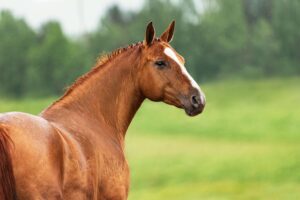
Wet weather creates special challenges for keeping ponies healthy. From hoof problems to skin conditions, rain can cause issues if we’re not careful. Let’s learn how to keep your pony happy and healthy when the weather is wet!
The biggest wet-weather health problems
Mud fever: A painful skin infection that affects legs, especially around heels and pasterns.
Thrush: A smelly hoof infection that develops in wet conditions.
Rain scald: Like mud fever but affects the body, creating crusty scabs on the back and quarters.
Respiratory problems: Damp, badly-ventilated stables can cause breathing issues.
Weight loss: Ponies use more energy staying warm in cold, wet weather.
Let’s learn how to prevent and spot these problems!
Hoof health in wet weather
Thrush prevention:
- Pick out hooves at least twice daily
- Keep stable as dry as possible
- Provide dry standing areas in paddocks
- Use good quality, dry bedding
- Apply thrush treatment if you notice any smell
Signs of thrush:
- Black, smelly goo in the frog
- Foul odour when picking out hooves
- Pony sensitive when you clean that area
If you notice these signs, tell an adult immediately!
Hoof care routine:
- Pick out hooves morning and evening
- Check for stones or debris
- Let hooves dry out when possible
- Maintain regular farrier visits
Preventing mud fever
Mud fever is one of the most common wet-weather problems. Here’s how to prevent it:
Daily leg checks: Look at your pony’s legs every day, especially heels and pasterns. Early detection makes treatment much easier!
Keep legs dry: This is the most important prevention:
- Don’t leave wet mud on overnight
- Dry legs properly after washing
- Provide dry standing areas
- Consider turnout boots for ponies prone to mud fever
Barrier creams: Some ponies benefit from barrier cream on their heels. Ask an adult which product to use and how to apply it.
Don’t over-wash: Constant washing can actually make mud fever worse by removing natural oils. Sometimes letting mud dry and brushing it off is better than washing.
Early signs of mud fever:
- Heat in the legs
- Small scabs forming
- Crusty patches on heels or pasterns
- Swelling
- Pony sensitive when you touch the area
- Limping
If you spot these signs: Tell an adult immediately! Early treatment prevents serious problems.
Rain scald
Rain scald is like mud fever, but affects the back and rump where rain runs off.
Prevention:
- Use turnout rugs in persistent rain
- Make sure your pony has shelter
- Dry your pony properly after riding in the rain
- Check back and quarters daily for any scabs
Signs: Crusty scabs, usually in lines where rain runs down the body
Stable management in wet weather
Bedding is crucial:
- Use more bedding in wet weather – your pony needs a dry bed
- Remove wet patches immediately
- Deep litter bedding can work well (ask an adult to help set this up)
- Provide extra bedding around edges where rain might blow in
Ventilation matters:
- Keep the stable well-ventilated even when it’s raining
- Good air flow prevents respiratory problems
- Don’t block up all windows and doors to keep rain out – ponies need fresh air
- Balance shelter from rain with good ventilation
Dry areas:
- Create dry standing areas in paddocks if possible
- Use hard standing or bark chips near gateways
- Provide field shelters
- Rotate grazing to prevent total mud baths
Feeding in wet weather
Increased energy needs: Ponies use more energy staying warm when cold and wet. They might need:
- Slightly more feed
- Extra hay
- Harder feeds with more energy
Ask before changing feed: Always check with an adult before changing how much you feed. Too much feed or rapid changes in feed can cause problems too!
Access to hay: Make sure your pony has enough hay to keep them eating 24/7. Eating hay keeps them warm and occupied.
Watching for weight loss
Ponies can lose condition in wet weather because:
- They use energy staying warm
- Grass quality is poorer
- They might eat less if stressed by weather
Monitor body condition:
- Run your hands over ribs weekly – you should be able to feel them but not see them
- Watch for hip bones becoming prominent
- Check if their neck looks thinner
If your pony loses eeight: Tell an adult. They might need more feed or hay.
Mental health matters too!
Wet weather can be miserable for ponies. Help keep them happy:
Company: Make sure they have pony friends. Ponies are herd animals and need companions.
Shelter: Access to shelter from rain and wind is important.
Enrichment: When stuck in stables more due to the weather:
- Provide hay in different locations
- Use haynets to make eating take longer
- Spend extra time with them
- Provide safe toys
- Hand graze when possible
Exercise: Even if you can’t ride, try to give your pony some exercise through:
- Hand walking
- Lungeing (if you know how and the ground is safe)
- Turnout time
- Groundwork
Daily health checks
Check your pony carefully every day for:
- Any cuts or injuries
- Signs of mud fever or rain scald
- Hoof problems
- Runny nose or coughing
- Proper eating and drinking
- Normal manure
- Normal behaviour
Changes to watch for:
- Not eating normally
- Seeming lethargic or depressed
- Coughing
- Discharge from the nose or eyes
- Limping
- Lying down more than usual
If you notice anything unusual, tell an adult!
Field maintenance
Poo picking: Still important in wet weather! Removing droppings:
- Reduces worm burden
- Improves pasture
- Reduces mud and mess
Mud management:
- Move feed and water stations to prevent mud build-up
- Use gravel or hard standing at gateways
- Create sacrifice areas if necessary
- Rotate grazing when possible
When to call the vet
Some situations need veterinary attention:
- Limping that doesn’t improve quickly
- Swollen legs that don’t go down
- Coughing that persists
- Not eating for more than one meal
- Severe mud fever or rain scald
- Any injury
- Fever or general unwellness
Never hesitate to ask an adult to call the vet if you’re worried!
Positive aspects of wet weather
It’s not all bad! Wet weather:
- Keeps grass growing
- Fills water troughs naturally
- Reduces dust
- Teaches us important care skills
Building your wet-weather routine
Create a routine that includes:
- Morning and evening hoof picking
- Daily leg checks
- Stable mucking out
- Checking food and water
- General health check
Consistency is key to keeping your pony healthy!
Record keeping
Keep notes about:
- Any health problems that develop
- What treatments work
- How your pony copes with wet weather
This information helps you prevent problems in future!
The reward
When you do all this work to keep your pony healthy through wet weather, you’re rewarded with:
- A happy, comfortable pony
- No expensive vet bills for preventable problems
- The satisfaction of excellent horsemanship
Your pony depends on you to keep them healthy, and now you know exactly how to do it, rain or shine!

