
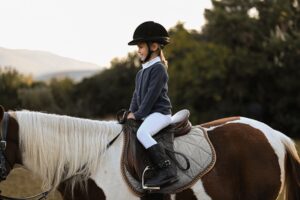
So you’ve decided to enter your first show—how exciting! The secret to a brilliant show day is good preparation, and that starts several weeks before you even arrive at the showground.
Choosing the right show
Not all shows are created equal, and for your first time, you want something friendly and manageable. Small local riding club shows are perfect for beginners because they’re less intimidating than big competitive shows. Look for shows that are at least four to six weeks away so you have plenty of time to prepare without rushing.
Read the schedule carefully and choose classes that match your riding level. It’s tempting to enter everything, but it’s better to do well in one or two suitable classes than struggle through five classes that are too advanced. Your instructor knows your abilities best, so ask them which classes would suit you and your pony.
Understanding what you’ve entered
Show classes come in all sorts of varieties. Lead rein classes are for very young riders who are led around the ring by an adult. First ridden classes suit riders who can walk, trot, and canter independently but are still quite new to it all. Equitation classes judge your riding position and skill, whilst show pony or working hunter classes look at how your pony moves and appears as well as your riding. Then there are show jumping and dressage classes, each with their own requirements.
Pick classes you feel confident about. There’s no shame in starting with easier classes and working your way up. It’s much better to enjoy yourself and gain confidence than to feel overwhelmed.
Planning your prep
Once you’re entered, it’s time to plan. Work with your instructor to create a training plan for the next few weeks. You’ll want to focus on the skills needed for your classes, work on any weak areas, and build your confidence. But here’s the important bit; your goals for this first show should be about the experience, not about winning. Aim to get around your class without stopping, to remember your test, to stay calm and enjoy it. Winning is lovely, but learning and having fun matter so much more at this stage.
Your pony needs to be reasonably fit for the show. If they’re not currently in regular work, build up their fitness gradually over several weeks. Don’t suddenly start doing long, hard rides, rather increase the work slowly and steadily. Include variety in your training: flat work at walk, trot and canter, pole work, hills if you have them, and short jumping sessions if you’re doing jumping classes. Remember to give your pony rest days, too. They need recovery time just like you do.
Practicing show skills
At shows, you’ll be sharing the ring with other ponies, so your pony needs to get used to working in company. Practice riding with other horses and ponies during your lessons. Work on standing still whilst the judge looks at you; this sounds easy, but it’s surprisingly difficult!
If your class requires an individual show, ask your instructor what to include and practice it until you can do it smoothly without thinking too hard. For dressage classes, learn your test by heart and practice it regularly. For showjumping, don’t just practice single jumps; ride whole courses and learn to count strides and find good approaches to fences.
Think honestly about what you need to improve. Maybe it’s your position in the canter, or steering accurately, or keeping your pony calm. Whatever it is, practice it specifically rather than just riding generally. Ask your instructor for exercises that target your weak areas.
Building confidence
Every practice session should end on a good note. Finish with something you and your pony do well, so you both leave the arena feeling positive. Try visualising yourself at the show – imagine riding brilliantly, picture the whole day going well. It sounds silly, but it really does help!
Talk to people who’ve done shows before. Hearing their experiences makes the whole thing feel less mysterious. And remember, everyone feels nervous before their first show. That flutter in your stomach is completely normal and doesn’t mean you’re not ready.
Getting organised
Start gathering the equipment you’ll need. Your pony needs clean, well-fitted tack, a grooming kit, plaiting equipment if your classes require plaits, a stable rug, a cooler or sweat rug, a haynet, a water bucket, and a first aid kit. You need competition clothes (we’ll cover this in detail in the next article), riding boots and a helmet, gloves, hairnets and clips, plus snacks and drinks for yourself.
Check the show rules carefully because different shows have different requirements. Some classes specify certain tack, some have particular turnout standards. Make sure you understand what’s expected and that you have what you need. Check what time you need to arrive and when your classes are scheduled.
The practical side
Make checklists of things to buy, training goals for each week, equipment needed, and questions to ask your instructor. Tick things off as you complete them; it feels brilliant and keeps you organised. You’ll need adults to help with transport, early starts, plaiting, and general moral support, so make sure they know what’s involved. Share your excitement with family and friends. Their encouragement really helps, though, do let them know it’s fine if they can’t come – shows are very long days!
Managing nerves
Feeling nervous is completely normal and actually shows you care. In the weeks before the show, try to focus on how exciting it will be rather than worrying about what might go wrong. The better prepared you are, the more confident you’ll feel. If you’re worried about something specific, talk about it with your instructor or parents. Remember, you’re going to learn and have fun. That’s what matters most.
Sometimes ponies get lame, riders get ill, or other problems crop up. If you can’t compete for some reason, try not to be too upset. There will be other shows, and all your practice hasn’t been wasted – you’ve improved your riding regardless.
As show day approaches, you should be practising confidently, have all your equipment ready and checked, know exactly what’s happening on the day, and feel mostly excited with just a few normal nerves. The preparation time is almost as much fun as the show itself. You’re learning new skills, spending quality time with your pony, and working towards a goal. Every experienced show rider started exactly where you are now, and with good preparation and a positive attitude, you’re going to have a wonderful time!
Next: What to wear and how to look smart at your show!

